
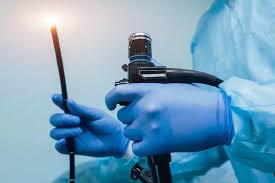
n Kenya, many clinics face challenges with training, time, and resources. Learn the 5 essential steps of safe reprocessing, low-cost quality tips, and how local facilities are improving patient safety and trust.
Inside the Clinic: Best Practices for Endoscope Reprocessing. What Kenyan Clinics Should Know
Endoscopy has become an essential tool for diagnosing gastrointestinal (GI) problems such as ulcers, cancers, and chronic inflammation. But as its use expands in Kenya, so does the responsibility to keep patients safe. At the heart of patient safety is one critical but often overlooked process: endoscope reprocessing.
Improperly cleaned endoscopes can transmit infections, shorten equipment lifespan, and damage community trust in local clinics. For facilities already stretched by limited budgets, every reprocessing mistake carries a high cost. So, what are the best practices Kenyan clinics should adopt?
Why Reprocessing Matters
Endoscopes are complex, reusable devices with narrow channels and delicate parts that harbor microorganisms if not thoroughly cleaned. Unlike surgical tools, endoscopes cannot be sterilized with heat; they require specialized cleaning and high-level disinfection.
Globally, lapses in reprocessing have led to outbreaks of infections like Pseudomonas and Klebsiella. In Kenya, where endoscopy units are growing but resources may be uneven, following standard protocols is the key to ensuring safe, effective care.
The Five Critical Steps of Reprocessing
- Pre-cleaning at the bedside Immediately after use, staff should wipe down the scope, flush channels with detergent, and prevent debris from drying inside.
- Leak testing This step checks for damage that might let fluid enter the scope and compromise cleaning. Skipping this can ruin costly equipment.
- Manual cleaning Using soft brushes and detergents, staff clean every channel and surface. Mechanical washers help, but manual cleaning is non-negotiable.
- High-level disinfection (HLD) Endoscopes must be soaked in approved disinfectants (like glutaraldehyde or peracetic acid) for the recommended dwell time. Cutting corners here risks patient infections.
- Proper drying and storage After rinsing, scopes must be dried with medical-grade air and stored vertically in a dust-free cabinet. Moisture is a breeding ground for bacteria.
Common Challenges in Kenyan Clinics
- Consumables availability: Some facilities struggle to source the right disinfectants consistently. Substituting with cheaper, inappropriate chemicals undermines safety.
- Training gaps: Nurses or technicians may not receive adequate training in step-by-step reprocessing protocols.
- Time pressure: In busy units, shortcuts are tempting. But rushing leads to costly infections and damaged scopes.
Low-Cost Quality Assurance Tips
- Use checklists at every step to ensure nothing is missed.
- Keep logs of reprocessing cycles for accountability.
- Rotate staff training: a refresher every 6 months maintains standards.
- Invest in simple drying cabinets or adapt safe, ventilated spaces if budgets are limited.
A Local Success Story
A mid-sized Nairobi clinic recently improved patient safety by introducing a laminated reprocessing checklist in Swahili and English. By training all nurses on the same standardized protocol, they reduced infection-related complications and extended the life of their scopes. Importantly, staff morale improved because everyone knew the process was safe and effective.
Why This Matters Beyond the Clinic
Safe reprocessing builds patient confidence in local healthcare. When patients know clinics follow global standards, they are more likely to undergo endoscopy early, leading to earlier diagnoses and better outcomes.
Conclusion
Endoscope reprocessing is not optional, it’s the foundation of safe endoscopy services in Kenya. By adopting global best practices, using checklists, and investing in staff training, Kenyan clinics can provide care that is both safe and sustainable.
Clinical Departments
Related procedures at Clarivida
Gastroenterology
Gastroscopy (OGD) & Upper Endoscopy
Direct examination of the oesophagus, stomach and duodenum
Gastroenterology
Colonoscopy
Examination of the entire large bowel for diagnosis, screening and polyp removal
Nephrology
Comprehensive Dialysis Center
Life-Sustaining Kidney Care
Bariatric Care
Non-Surgical Gastric Balloon
Minimally Invasive Weight Loss Solution