
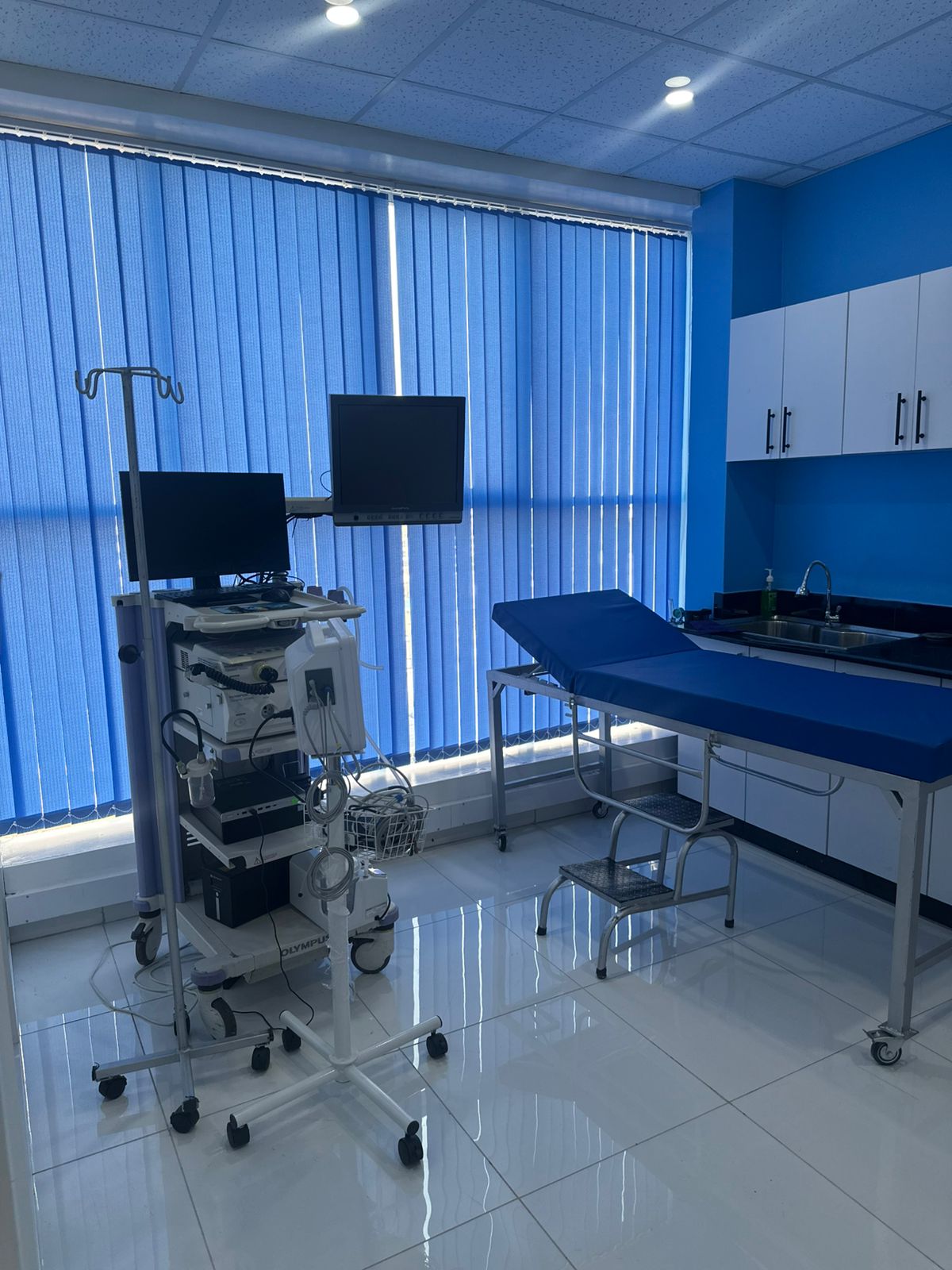
Overview
About this procedure
Gastroscopy (OGD) uses a flexible camera to examine the oesophagus, stomach and first part of the small intestine, with biopsies taken in the same sitting when needed.
Gastroscopy, also called oesophago-gastro-duodenoscopy (OGD) or upper endoscopy, is an examination of the lining of the oesophagus (food pipe), the stomach and the first part of the small intestine (duodenum). A thin, flexible tube carrying a high-definition camera and light is passed through the mouth, and the images are displayed on a monitor for the endoscopist.
It is the standard test for investigating persistent heartburn, upper abdominal pain, difficulty swallowing, vomiting blood or passing black stools and unexplained anaemia. Because tissue samples (biopsies) can be taken during the examination, many conditions can be diagnosed in a single visit, including inflammation, ulcers and Helicobacter pylori infection.
What is included
- Biopsies taken in the same sitting
- Throat spray or sedation, chosen with you beforehand
- High-definition imaging
- Continuous monitoring of oxygen level, heart rate and blood pressure
- Written report after your procedure
- Private recovery room
Expected outcomes
- A diagnosis for upper digestive symptoms
- Tissue samples for laboratory analysis where needed
- Identification of ulcers and the cause of upper GI bleeding
- Confirmation or exclusion of Helicobacter pylori infection
- A written plan for treatment or follow-up
Anatomical Guide
Anatomical pathway & scope orientation
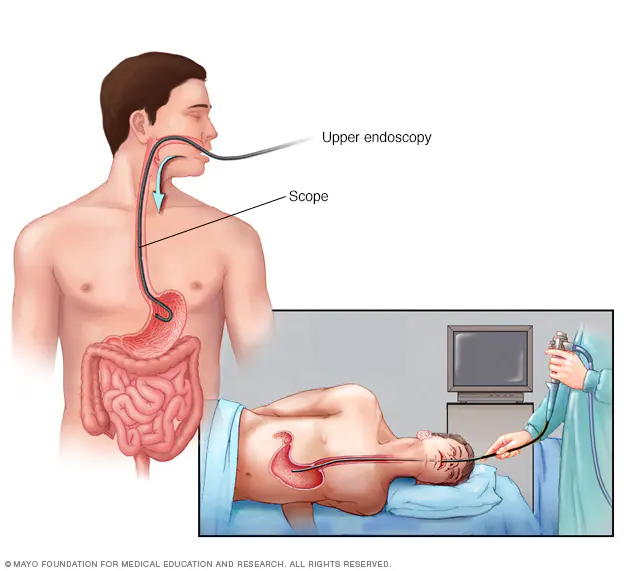
Anatomical Orientation
Oesophagus, stomach and duodenum
Anatomical pathway of upper gastrointestinal endoscopy (OGD) through the oesophagus, stomach and duodenum.
- Region
- Oesophagus, stomach and duodenum
- Examination Time
- 10-20 minutes for the examination; plan for 2-3 hours at the clinic in total
- Comfort Protocol
- Throat spray, with or without intravenous sedation, agreed with you before the procedure
Clinical Scope
Procedures we perform
Diagnostic gastroscopy (OGD)
Examination of the oesophagus, stomach and duodenum
Biopsy collection
Tissue samples sent for laboratory analysis
Reflux and heartburn assessment
Inspection for oesophagitis and hiatus hernia
Ulcer and gastritis evaluation
Including testing for Helicobacter pylori
PEG tube insertion
Feeding tube placement for patients who cannot swallow safely
Key benefits of this procedure
- No incisions: the examination is carried out through the mouth
- Direct view of the lining, rather than inferring from symptoms or X-rays
- Biopsies allow a tissue diagnosis at the time of the examination
- Most patients go home the same day
- Bleeding from ulcers can be assessed and treated where appropriate
Patient Pathway
Step-by-step clinical sequence
Consultation
Your doctor reviews your symptoms, medical history and medications, particularly blood thinners and diabetes treatment. The procedure, its risks and the sedation options are explained and your consent is taken.
Preparation
Do not eat for at least 6 hours beforehand. Clear water is allowed until 2 hours before. Your doctor will tell you which regular medicines to take or hold on the day.
Arrival
Arrive 30 minutes early. Your identity and consent are checked, a small cannula is placed in a vein if sedation is planned and your vital signs are recorded.
The examination
You lie on your left side. The endoscope is passed through the mouth and the oesophagus, stomach and duodenum are examined in turn. Biopsies are taken if needed. The examination normally lasts 10 to 20 minutes.
Recovery
You are observed for 30 to 60 minutes. The endoscopist explains what was seen. If you were sedated, an adult must take you home and you must not drive for 24 hours.
Results
Biopsy results are usually available within about a week. A written report and a plan for any treatment or follow-up are provided.
Clinical Safety & Indications
Indications, risks and aftercare
When this procedure is recommended
- Persistent heartburn or acid reflux
- Stomach and duodenal ulcers
- Upper abdominal pain or indigestion that does not settle
- Difficulty or pain when swallowing
- Vomiting blood or passing black stools
- Iron-deficiency anaemia without a clear cause
- Persistent nausea or vomiting
- Unintentional weight loss
When it may be deferred or unsuitable
- Suspected perforation of the oesophagus, stomach or bowel
- Recent heart attack or unstable heart or lung disease, until stabilised
- Severe bleeding disorder or blood-thinning medication that cannot be safely paused for biopsy
- Inability to cooperate safely with the examination without general anaesthesia
- Pregnancy: deferred unless the examination is clearly essential
Recognised risks and complications
- Sore throat and bloating after the procedure; both settle within hours
- Reaction to sedation, including slowed breathing or a drop in blood pressure; you are monitored throughout
- Bleeding, usually after a biopsy; it is normally minor and stops without treatment
- Perforation (a tear in the wall of the oesophagus or stomach): rare, and may require hospital treatment
Discharge and aftercare instructions
- Resume normal activities the day after the procedure if you were sedated
- Do not drive, operate machinery, drink alcohol or sign legal documents for 24 hours after sedation
- Seek urgent care for severe chest or abdominal pain, vomiting blood, black stools, fever or difficulty swallowing
- Attend your results consultation to discuss any biopsy findings
- Follow any medication or dietary advice given in your report
Infection control & monitoring standards
- All equipment thoroughly cleaned and sterilized
- Your vital signs monitored throughout the procedure
- Emergency equipment ready if needed
- Health check before your procedure
- New disposable parts used for each patient
- Comfortable recovery room with experienced nurses
This guide provides general patient information and does not replace an individual medical consultation. Your attending doctor will explain the specific preparation, risks and alternatives relevant to your medical history.
Common Questions
Frequently asked questions
Is gastroscopy painful?
It is uncomfortable rather than painful. The throat is numbed with a spray, and sedation is available. Afterwards you may have a mild sore throat and some bloating, which settle within a few hours.
Can I eat and drink afterwards?
If your throat was numbed with a spray, wait until the numbness has worn off, usually 1 to 2 hours, before eating or drinking. After sedation you can eat once you are fully awake, starting with light food.
When will I get the results?
The endoscopist explains what was seen once you have recovered. If biopsies were taken, the laboratory results usually take about a week.
Why is gastroscopy recommended for reflux?
Most reflux is treated with medication and lifestyle changes. Gastroscopy is advised when symptoms persist despite treatment, or if there are warning signs such as difficulty swallowing, vomiting, weight loss, anaemia or bleeding.
Is a colonoscopy done at the same time?
The two examinations are separate, but they can be arranged on the same day when clinically appropriate. Colonoscopy requires bowel preparation, which is explained on the colonoscopy page.
Related Services
Other clinical services at Clarivida
Gastroenterology
Colonoscopy
Examination of the entire large bowel for diagnosis, screening and polyp removal
Nephrology
Comprehensive Dialysis Center
Life-Sustaining Kidney Care
Bariatric Care
Non-Surgical Gastric Balloon
Minimally Invasive Weight Loss Solution
General Medicine
General Medical Consultation
Comprehensive Primary Care & Health Checkups