
Overview
About this procedure
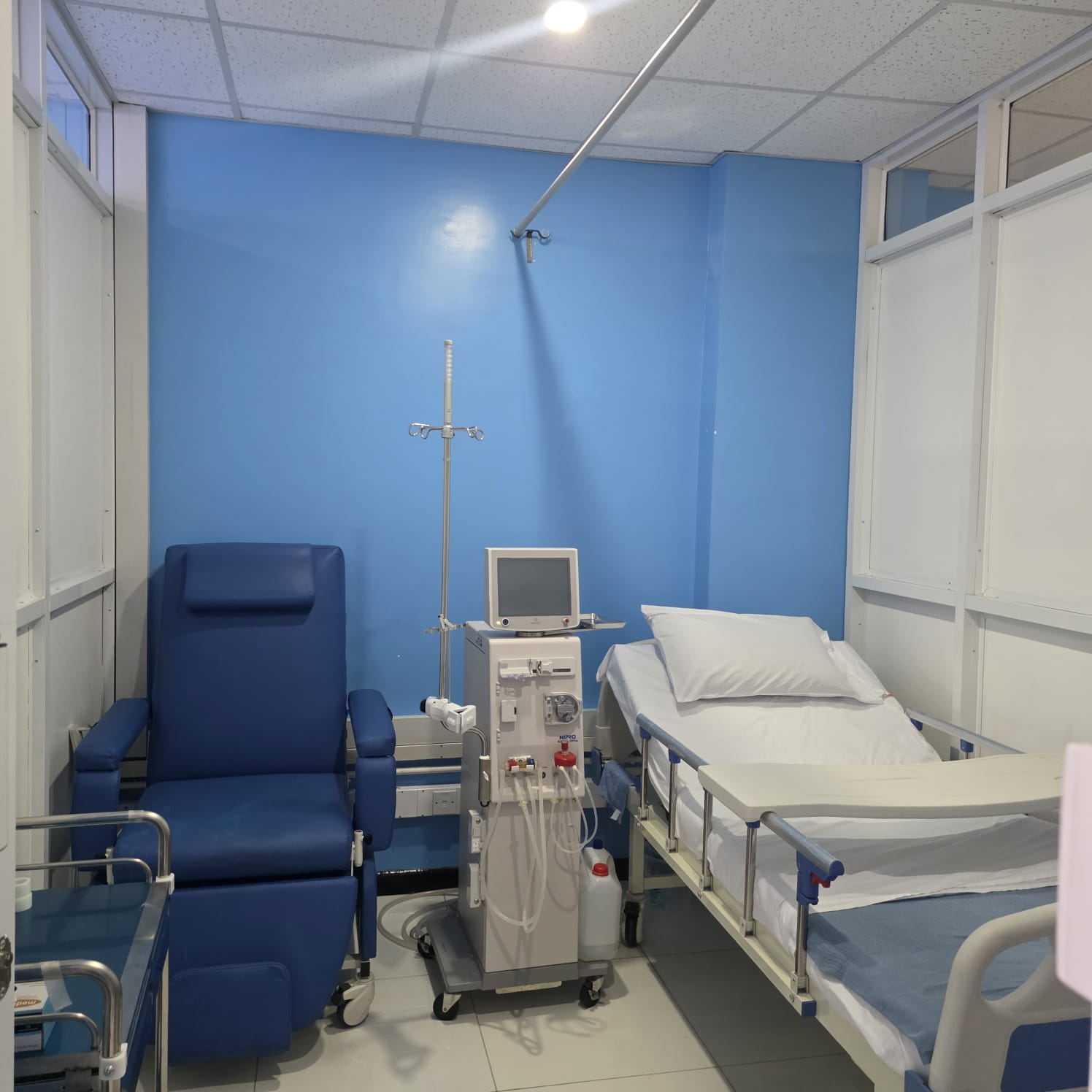
Our dialysis center provides comprehensive kidney replacement therapy in a comfortable, supportive environment with dedicated clinical supervision throughout every session.
Our dialysis center provides complete kidney care for patients whose kidneys can no longer clean their blood properly. We offer different types of dialysis treatment in a comfortable setting with modern equipment and experienced kidney care specialists.
We know dialysis becomes part of your weekly routine, so we've made our center welcoming and comfortable. You'll have your own reclining chair, TV and WiFi access and a caring team that treats you like family.
What is included
- Individual patient care plans
- Nutritional counseling
- Social work support
- Transportation assistance
- Flexible scheduling
- Family education programs
Expected outcomes
- Effective removal of waste products and excess fluid
- Improved energy levels and quality of life
- Better management of blood pressure and anemia
- Extended life expectancy for kidney failure patients
- Preparation for potential kidney transplantation
Anatomical Guide
Anatomical pathway & scope orientation
Anatomical Orientation
Kidneys (renal replacement therapy)
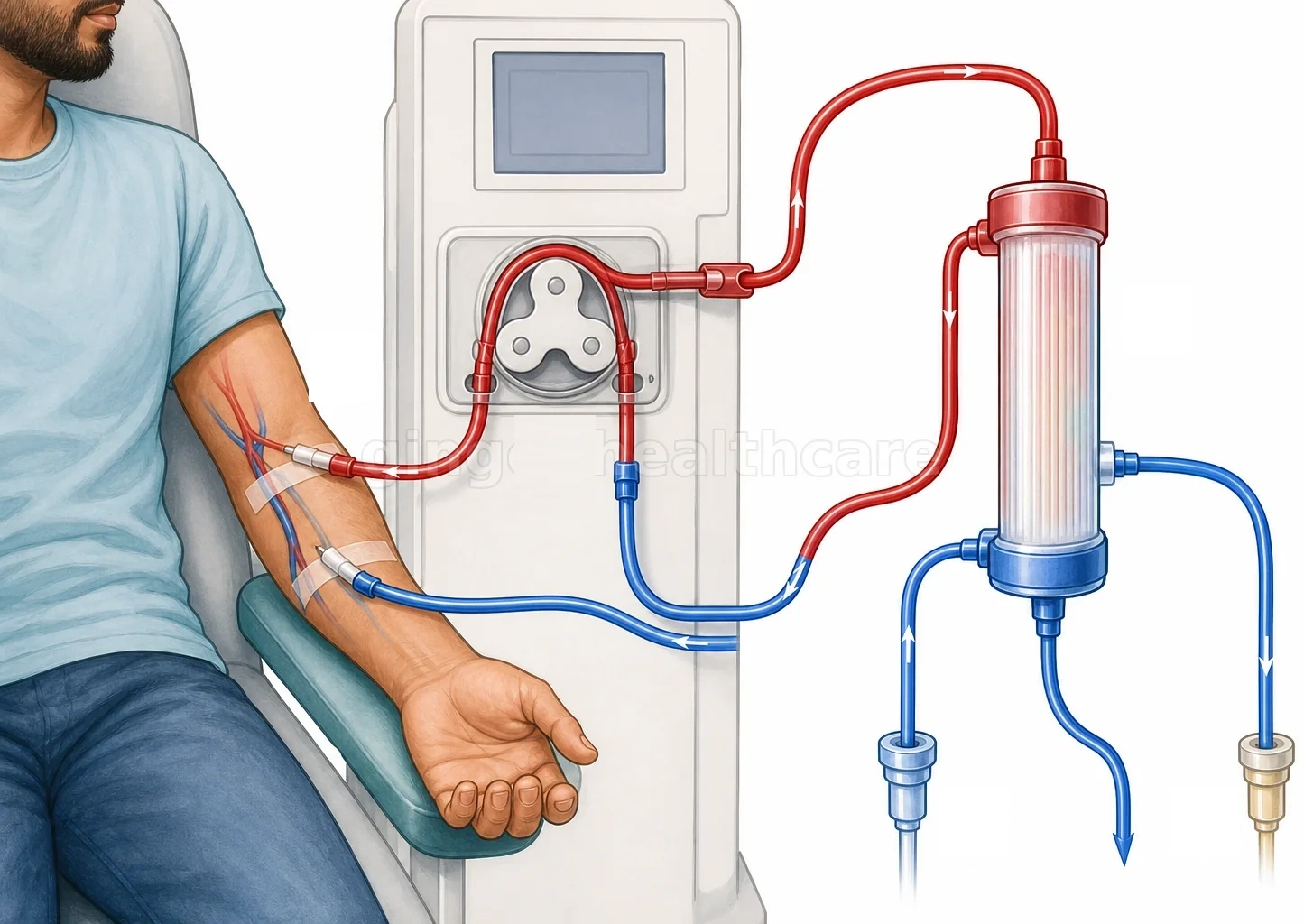
Haemodialysis extracorporeal circuit: blood is drawn from the vascular access, filtered through the dialyser (artificial kidney) and returned purified.
- Region
- Kidneys (renal replacement therapy)
- Examination Time
- 3-4 hours per session, typically 3 times per week
Clinical Scope
Procedures we perform
Hemodialysis
Blood cleaning through a machine
Peritoneal Dialysis
Using your belly to filter blood
Continuous Blood Filtering
For severe cases
Access Point Care
Managing your connection site
Fistula Creation
Creating a blood vessel connection
Catheter Insertion
Placing temporary tubes
Kidney Transplant Preparation
Carried out in accordance with clinical safety protocols.
Home Dialysis Training
Learning to do it yourself
Key benefits of this procedure
- Flexible scheduling with morning, afternoon and evening slots
- Comfortable recliners with entertainment systems
- Transportation assistance available for all patients
- Comprehensive nutritional guidance and support
- Improved quality of life through effective toxin removal
- Dedicated care team for continuity of care
Patient Pathway
Step-by-step clinical sequence
Initial Consultation
Meet with our nephrologist to review your kidney function, discuss dialysis options (hemodialysis vs. peritoneal dialysis) and create your personalized treatment plan.
Access Creation
If needed, undergo minor surgery to create a vascular access (fistula or graft) or have a catheter placed. Fistulas typically take 2-3 months to mature before use.
First Treatment Session
Your first session includes education about the process, equipment and what to expect. Our team will monitor you closely and address any concerns.
Regular Treatment Schedule
Settle into your routine schedule (usually 3 times per week). Bring books, tablets or use our entertainment system. Family members are welcome to visit.
Ongoing Monitoring
Regular blood tests track your treatment effectiveness. Monthly consultations with your nephrologist to adjust your prescription and address any issues.
Lifestyle Support
Meet regularly with our dietitian and social worker. Learn about fluid management, dietary restrictions and maintain the best possible quality of life.
Clinical Safety & Indications
Indications, risks and aftercare
When this procedure is recommended
- Severe Kidney Failure
- Advanced Chronic Kidney Disease
- Sudden Kidney Injury
- Before and After Kidney Transplant
- Dangerous Chemical Imbalances in Blood
- Too Much Fluid in the Body
- Waste Buildup in Blood
- Preparing for Kidney Transplant
When it may be deferred or unsuitable
- Unstable cardiovascular status requiring stabilization
- Severe hypotension not responsive to treatment
- Active bleeding or severe coagulopathy
- Lack of suitable vascular access (requires catheter as alternative)
- Terminal illness with palliative care focus (relative contraindication)
Discharge and aftercare instructions
- Attend all scheduled dialysis sessions consistently
- Monitor your access site daily for signs of infection
- Follow dietary and fluid restrictions as prescribed
- Take all medications exactly as directed, especially phosphate binders
- Keep regular appointments with nephrologist and dietitian
- Report fever, unusual pain or changes in access site immediately
- Maintain exercise routine as approved by your healthcare team
Infection control & monitoring standards
- Ultra-clean water purification system checked constantly
- Regular testing of dialysis fluid and machine quality
- Strict cleanliness rules to prevent infections
- Your heart rate and blood pressure monitored throughout
- Emergency equipment and trained staff always present
- Each machine thoroughly cleaned between patients
This guide provides general patient information and does not replace an individual medical consultation. Your attending doctor will explain the specific preparation, risks and alternatives relevant to your medical history.
Common Questions
Frequently asked questions
How often will I need dialysis?
Most patients require hemodialysis 3 times per week, with each session lasting 3-4 hours. Peritoneal dialysis is typically performed daily at home.
Can I travel while on dialysis?
Yes! We can arrange guest dialysis at centers in other locations. Plan ahead (typically 4-6 weeks notice) and we'll coordinate with facilities at your destination.
What dietary restrictions will I have?
You'll need to limit potassium, phosphorus and sodium. Fluid intake is also restricted. Our dietitian will create a personalized meal plan that's both healthy and enjoyable.
Will I be able to work while on dialysis?
Many patients continue working. We offer flexible scheduling including early morning and evening slots to accommodate employment.
How will I feel during and after treatment?
Most patients relax during treatment. Afterwards, some experience fatigue for a few hours. This typically improves as your body adjusts to the routine.
Is kidney transplant an option?
For eligible patients, yes. We provide pre-transplant evaluation and preparation and coordinate with transplant centers. Many of our patients successfully receive transplants.
Related Services
Other clinical services at Clarivida
Gastroenterology
Gastroscopy (OGD) & Upper Endoscopy
Direct examination of the oesophagus, stomach and duodenum
Gastroenterology
Colonoscopy
Examination of the entire large bowel for diagnosis, screening and polyp removal
Bariatric Care
Non-Surgical Gastric Balloon
Minimally Invasive Weight Loss Solution
General Medicine
General Medical Consultation
Comprehensive Primary Care & Health Checkups