
In Kenya, silence around digestive and kidney health fuels stigma, delays diagnosis, and costs lives. This blog explores why stigma exists, how it worsens outcomes, and how open conversations about endoscopy and dialysis can save lives.
Breaking the Stigma: Talking Openly About Digestive & Kidney Health in Kenya
When you think of common health conversations in Kenya, topics like malaria, typhoid, or flu usually dominate. But when it comes to digestive health or kidney disease, silence is deafening. Many people avoid talking about issues like persistent stomach pain, ulcers, changes in urination, or dialysis because of embarrassment, fear, or myths. Sadly, this silence delays care and in many cases, costs lives.
The truth is that conditions affecting the stomach, intestines, and kidneys are on the rise in Kenya. Digestive cancers are increasingly common, and chronic kidney disease (CKD) now affects thousands of families nationwide. Yet stigma and misinformation keep people from seeking early testing or life-saving interventions like endoscopy, dialysis, and transplants.
It’s time to break the silence.
Why Stigma Around Digestive & Kidney Health Exists
Several factors explain why Kenyans hesitate to speak up:
- Cultural discomfort – Talking about stool, urine, or stomach pain is often viewed as shameful. Many families whisper about these issues rather than discussing them openly.
- Fear of diagnosis – Some believe that seeking medical help will uncover something “fatal,” so they avoid hospitals until symptoms are unbearable.
- Financial concerns – There is a widespread assumption that endoscopy or dialysis is too expensive, discouraging people from even asking about costs.
- Misinformation – Myths such as “endoscopy is dangerous” or “dialysis means you’re dying soon” discourage people from getting tested.
This stigma not only creates silence but also fuels late diagnosis and worsens outcomes.
The Cost of Silence: How Stigma Delays Care
When patients stay quiet, small problems grow into major ones.
- Someone with recurring stomach ulcers might ignore their symptoms until cancer develops.
- A patient with swelling in the legs may assume it’s temporary, when in reality it signals kidney failure.
- Families sometimes hide relatives on dialysis, making them feel isolated and unsupported.
The result is that more than 70% of gastrointestinal cancers in Kenya are detected late, when treatment options are limited. Similarly, many CKD patients are diagnosed only when kidneys have already failed, leaving dialysis or transplant as the only options.
Changing the Narrative: From Silence to Awareness
Breaking the stigma requires action from multiple fronts:
- Community engagement: Churches, schools, and barazas (public forums) can normalize conversations about digestive and kidney health.
- Healthcare campaigns: Hospitals and clinics should share real-life stories of patients who benefited from early endoscopy or timely dialysis.
- Youth and media: Social media influencers can use platforms like TikTok, Instagram, and X to spread accurate information and challenge myths.
- Policy and access: Government and NGOs must continue investing in affordable endoscopy equipment and dialysis centers across counties.
When communities and leaders speak openly, they create safe spaces for patients to seek help early.
The Role of Endoscopy & Dialysis in Breaking Stigma
Endoscopy is one of the most misunderstood procedures. In reality, it is quick, safe, and painless under sedation. It can detect ulcers, cancers, bleeding, and inflammation early when treatment is most effective. By demystifying it, we encourage people to see endoscopy as routine, like a blood test.
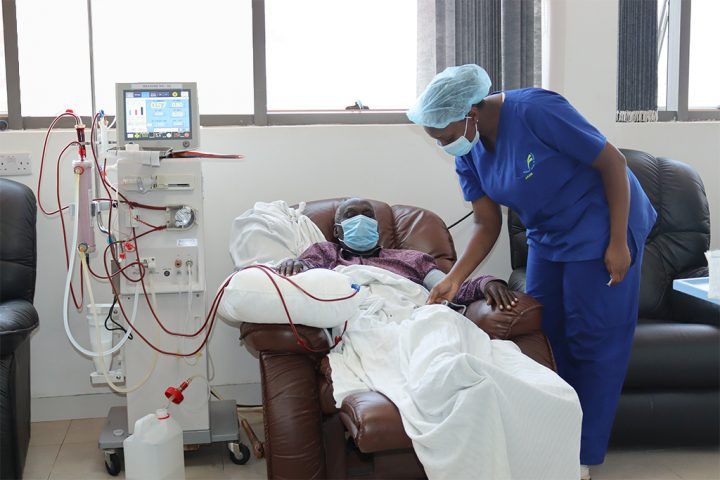
Dialysis, though life-changing, is not a death sentence. Many patients live full, productive lives while undergoing treatment. With Kenya’s recent progress in kidney transplants, dialysis no longer represents “the end” but rather a bridge to recovery and longer survival.
By openly discussing these interventions, stigma begins to fade.
Practical Steps for Patients & Families
If you or your loved one is struggling with kidney or digestive health, here’s what you can do:
- Talk openly about your symptoms with family and healthcare providers.
- Seek screening early, don't wait for pain or fatigue to worsen.
- Support loved ones on treatment by reducing shame and offering emotional encouragement.
- Educate yourself from reliable medical sources instead of relying on myths.
Conclusion: Breaking Silence, Saving Lives
Silence is costly. Stigma around digestive and kidney health delays diagnosis, worsens outcomes, and isolates patients. But by speaking openly, we can normalize health conversations, encourage early endoscopy and dialysis, and give families hope.
If you or a loved one has persistent symptoms, don’t stay silent. Talk to your doctor today about endoscopy or kidney function tests. Early detection could save your life.
Clinical Departments
Related procedures at Clarivida
Gastroenterology
Gastroscopy (OGD) & Upper Endoscopy
Direct examination of the oesophagus, stomach and duodenum
Gastroenterology
Colonoscopy
Examination of the entire large bowel for diagnosis, screening and polyp removal
Nephrology
Comprehensive Dialysis Center
Life-Sustaining Kidney Care
Bariatric Care
Non-Surgical Gastric Balloon
Minimally Invasive Weight Loss Solution