
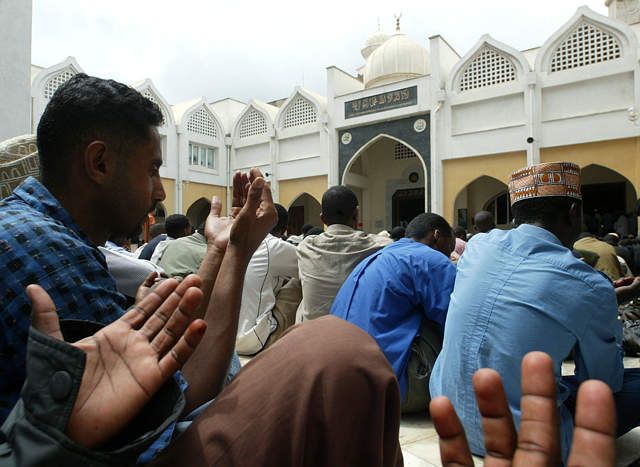
Ramadan is a sacred month of reflection and faith but for dialysis patients, it requires balance and care. Clarivida helps Muslim patients in Kenya fast safely through personalized plans, flexible treatment hours, and faith-based medical guidance.
Dialysis During Ramadan & Fasting Periods: Safe Practices for Kenyan Muslim Patients
For many Muslims in Kenya, Ramadan is more than a month of fasting, it’s a spiritual reset filled with reflection, community, and devotion. But for those living with kidney disease, especially those on dialysis, this sacred time can bring uncertainty. Can you safely fast while on dialysis? How does it affect your health and treatment schedule?
At Clarivida, we believe faith and health can go hand in hand, with the right preparation, medical advice, and balance. Here’s a complete guide to navigating Ramadan safely while on dialysis.
Fasting and the Kidneys: What Really Happens
During fasting, your body goes for several hours without food or fluids. For most people, this is manageable but for someone with chronic kidney disease (CKD), dehydration can quickly lead to complications like low blood pressure, electrolyte imbalances, or toxin buildup.
In dialysis patients, the kidneys already struggle to remove waste and excess fluids. Without careful monitoring, fasting could strain your system. However, new studies and real-world experience in Muslim-majority countries show that some dialysis patients can safely fast under medical supervision, especially those on stable, long-term treatment.
Clarivida’s nephrologists emphasize that fasting is a personal decision, guided by both faith and medical advice. Islam grants exemptions for the sick, yet many patients choose to fast symbolically or partially, while maintaining their treatment schedule.
Preparing for Ramadan: The Clarivida Approach
Success starts with preparation. Weeks before Ramadan, Clarivida encourages all Muslim dialysis patients to schedule a consultation to discuss fasting intentions and health status. Together with your care team, you can:
- Assess medical readiness: Review blood pressure, hemoglobin, and hydration levels.
- Plan dialysis sessions: Adjust timing to align with fasting hours and meal breaks.
- Set a safe fasting plan: Some patients may fast alternate days or shorten fasting hours under guidance.
Clarivida’s team believes fasting should never compromise health but with coordination, you can honor your faith safely.
Nutrition & Hydration: Smart Choices After Sunset
When the call to Maghrib prayer signals iftar, what you eat and drink matters. After a day of fasting, the temptation to overhydrate or eat salty foods can be risky for dialysis patients.
Our Clarivida nutrition experts recommend:
- Start with small sips of water, not large gulps.
- Avoid high-sodium foods like samosas, chips, and processed meats.
- Include potassium-friendly fruits like apples, pears, or pineapples instead of bananas or oranges.
- Balance proteins with light carbohydrates to restore energy without overloading the kidneys.
Suhoor (the pre-dawn meal) should be hydrating and slow-releasing, such as porridge, boiled eggs, oats, and chapati made with less oil. These choices help maintain energy and reduce fluid strain during the day.
Adjusting Dialysis Timing During Fasting
One of the most common questions Clarivida receives is: Can I have dialysis while fasting?
The answer depends on your individual health. For many, dialysis breaks the fast because it introduces fluids into the body. Some patients choose to reschedule sessions to nighttime hours during Ramadan. Others may fast on non-dialysis days or perform symbolic fasting, such as skipping only food but not water.
Clarivida’s medical center works closely with patients to accommodate these changes offering flexible dialysis schedules after iftar or early morning to respect religious practices while ensuring safe care.
Faith, Health, and Emotional Wellness
Ramadan is also about inner peace and gratitude. Many dialysis patients find strength and comfort in faith, even when they can’t fast fully. Engaging in prayer, Quran recitation, and community service are spiritually rewarding alternatives.
Clarivida encourages patients to focus on spiritual connection, not restriction. Your health is sacred, protecting it is also an act of faith. Islam emphasizes mercy and self-preservation; fasting should uplift, not endanger, your well-being.
Real Stories, Real Strength
At Clarivida medical center in applewood ngong road, Muslim patients share inspiring stories every Ramadan. A 35-year-old teacher from Kisumu, for instance, continues her dialysis sessions while observing modified fasting hours, saying: “It’s not about how long I go without food, it’s about how close I feel to God.”
These stories remind us that dialysis doesn’t have to disconnect you from your faith, it can deepen it.
Clinical Departments
Related procedures at Clarivida
Gastroenterology
Gastroscopy (OGD) & Upper Endoscopy
Direct examination of the oesophagus, stomach and duodenum
Gastroenterology
Colonoscopy
Examination of the entire large bowel for diagnosis, screening and polyp removal
Nephrology
Comprehensive Dialysis Center
Life-Sustaining Kidney Care
Bariatric Care
Non-Surgical Gastric Balloon
Minimally Invasive Weight Loss Solution