
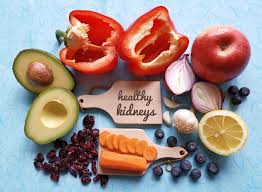
Life after a kidney transplant depends on what’s on your plate. From safe Kenyan foods to common myths, this guide shows how to eat for long-term kidney strength, using familiar meals like ugali, sukuma wiki, and tilapia while avoiding hidden risks that can undo your recovery.
Diet After a Kidney Transplant: Meal Plans, Myths, and Best Practices for Kenyan Recipients
A kidney transplant can give patients a new lease on life but the journey doesn’t end after surgery. What you eat after a transplant can determine how well your new kidney functions and how quickly your body heals.
For many Kenyans, the challenge is balancing local foods and traditions with medical dietary advice. Here’s what you need to know about eating right after a kidney transplant with Kenyan ingredients in mind.
The New Normal. Eating for a Strong Recovery
After a transplant, your immune system is suppressed to prevent rejection of the new kidney. This means you’re more vulnerable to infections from contaminated or raw food. Doctors recommend eating well-cooked, low-salt, and balanced meals to protect your body and support healing.
Foods like ugali, rice, vegetables, and lean proteins such as tilapia, eggs, and beans are ideal provided they’re fresh and properly cooked.
Protein: Your Kidney’s Building Block
Protein is essential for repairing tissue and maintaining muscle, but too much can strain your new kidney. Aim for moderate portions:
- 1 boiled egg or palm-sized fish fillet
- ½ cup beans or lentils
- Avoid daily red meat and fried foods
Kenyan staples like tilapia from Lake Victoria or boiled ndengu (green grams) are perfect protein options that are easy to digest.
The Salt and Processed Food Trap
Transplant medications like steroids can cause fluid retention and high blood pressure. Eating salty or processed foods, sausages, crisps, instant noodles, makes this worse.
Use natural herbs and spices instead: garlic, ginger, rosemary, and coriander add flavor without raising sodium levels. Always check canned or packaged foods for “sodium” or “monosodium glutamate” hidden salt forms.
Fruits, Veggies, and Hydration
Not all fruits are kidney-friendly post-transplant. Bananas, oranges, and avocados are high in potassium, which can be dangerous if your kidney isn’t fully stable.
Instead, choose:
✅ Apples
✅ Watermelon
✅ Pineapple
✅ Cucumber
✅ Cabbage
Drink 2–3 liters of clean water daily, unless your doctor advises otherwise. Avoid raw juices from street vendors to reduce infection risk.
Common Myths After Transplant
❌ “I can eat anything now that my kidney is new.” — False. Your kidney is still sensitive and requires care.
❌ “Herbal detox drinks help keep my kidney clean.” — False. Many herbal mixtures interfere with transplant medications. Always consult your doctor before taking any herbs.
❌ “Protein shakes speed recovery.” — False. Most contain high phosphorus and potassium, which can harm the kidney. Stick to natural foods.
A Sample Kenyan Meal Plan
Breakfast: Oats with low-fat milk, a slice of brown bread, and pineapple.
Lunch: Ugali, sukuma wiki, and grilled fish.
Dinner: Ndengu stew with rice and cabbage.
Snacks: Apples, roasted maize, or plain yogurt.
This balanced plan gives you energy while protecting your new kidney.
The Takeaway
A kidney transplant is a new beginning but success depends on what comes next. With clean food, moderation, and hydration, you can live a long, healthy life post-transplant.
Kenya’s local ingredients make it easy to eat well, it just takes awareness, balance, and a little love for your new kidney.
Clinical Departments
Related procedures at Clarivida
Gastroenterology
Gastroscopy (OGD) & Upper Endoscopy
Direct examination of the oesophagus, stomach and duodenum
Gastroenterology
Colonoscopy
Examination of the entire large bowel for diagnosis, screening and polyp removal
Nephrology
Comprehensive Dialysis Center
Life-Sustaining Kidney Care
Bariatric Care
Non-Surgical Gastric Balloon
Minimally Invasive Weight Loss Solution