
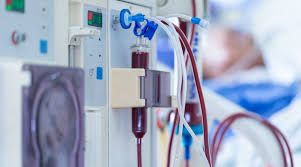
Kenya’s dialysis care is going green. With new HDF technology at Jaramogi Oginga Odinga Hospital, dialysis now uses less water and energy while improving patient outcomes. Clarivida champions this eco-friendly shift because saving lives shouldn’t cost the planet.
Eco-Friendly Dialysis: How New Machines Are Reducing Water & Energy Waste in Kenya
In Kenya, where water and energy are precious resources, the rise of dialysis treatments has created a new environmental challenge. Each dialysis session uses an estimated 120 to 150 liters of water and with thousands of sessions performed weekly nationwide, the environmental footprint is significant.
But a quiet revolution is happening in Kenya’s renal care landscape. With the introduction of High-Flux Hemodiafiltration (HDF) technology, recently installed at Jaramogi Oginga Odinga Teaching and Referral Hospital (JOOTRH), the country is stepping into a future of eco-friendly dialysis that saves lives while conserving vital resources.
Clarivida celebrates this milestone as a sign that kidney care in Kenya can be both sustainable and world-class.
The Hidden Environmental Cost of Traditional Dialysis
Conventional hemodialysis has always been resource-intensive. Beyond the water used, it consumes electricity to power machines, heat dialysate, and run water-treatment systems. Add to that the disposal of single-use plastic filters, tubing, and dialyzers and the ecological cost becomes clear.
In Kenya, where climate change already threatens water supplies and infrastructure, it’s time to reimagine dialysis systems that align with environmental priorities. Hospitals like JOOTRH are showing that this balance is possible through technology and innovation.
What Makes HDF Different
High-Flux Hemodiafiltration (HDF) is an advanced dialysis technique that combines the principles of traditional hemodialysis (diffusion) and hemofiltration (convection). It removes both small and large toxins from the blood more efficiently while using less water and improving energy efficiency.
The new generation of HDF machines are designed with:
- Smart water recycling systems that minimize waste.
- Energy-saving standby modes between sessions.
- Integrated filters that reduce the need for frequent replacements.
At JOOTRH, these innovations have already led to measurable reductions in resource consumption showing that sustainability and high-quality patient care can go hand-in-hand.
Better for the Patient, Better for the Planet
Eco-friendly dialysis doesn’t only benefit the environment, it also improves patient outcomes. HDF treatment provides better toxin clearance, reduces inflammation, and enhances long-term survival rates. Many patients report fewer side effects such as fatigue and low blood pressure after switching to HDF.
In short: what’s good for the planet is also good for the patient.
Clarivida sees this as the future of renal care, a model that blends medical excellence with environmental stewardship.
Kenya’s Green Shift in Healthcare
Kenya’s healthcare system has been making steady progress toward sustainability, from solar-powered rural clinics to waste-management reforms in public hospitals. The integration of eco-friendly dialysis fits perfectly into this broader “Green Health” movement.
Clarivida supports this national vision by raising awareness about resource-conscious medical care. Whether through partnerships with eco-tech suppliers or training programs that emphasize energy conservation, we believe every clinic can contribute to a greener healthcare future.
What Patients and Hospitals Can Do
While advanced machines like HDF lead the way, every dialysis unit and patient can make small, meaningful changes. Here’s how:
- Optimize scheduling so machines operate efficiently throughout the day.
- Use solar energy where possible to power water purification systems.
- Recycle or safely dispose of non-contaminated plastic waste.
- Educate staff and patients about environmental responsibility in healthcare.
Clarivida encourages hospitals to see sustainability not as an expense but as an investment in cleaner air, cleaner water, and a healthier Kenya.
Looking Ahead: Clarivida’s Vision for Sustainable Dialysis
At Clarivida, we envision a network of dialysis centers that embody both compassion and conservation. Our future includes:
- Exploring partnerships with green technology providers.
- Implementing water-efficient systems in all our affiliated clinics.
- Promoting public education on the environmental impact of dialysis.
The HDF innovation at Jaramogi Oginga Odinga Teaching and Referral Hospital is a glimpse of what’s possible when care meets conscience. The next step is scaling these solutions nationwide ensuring every Kenyan patient receives quality care without compromising the planet’s health.
Clinical Departments
Related procedures at Clarivida
Gastroenterology
Gastroscopy (OGD) & Upper Endoscopy
Direct examination of the oesophagus, stomach and duodenum
Gastroenterology
Colonoscopy
Examination of the entire large bowel for diagnosis, screening and polyp removal
Nephrology
Comprehensive Dialysis Center
Life-Sustaining Kidney Care
Bariatric Care
Non-Surgical Gastric Balloon
Minimally Invasive Weight Loss Solution