
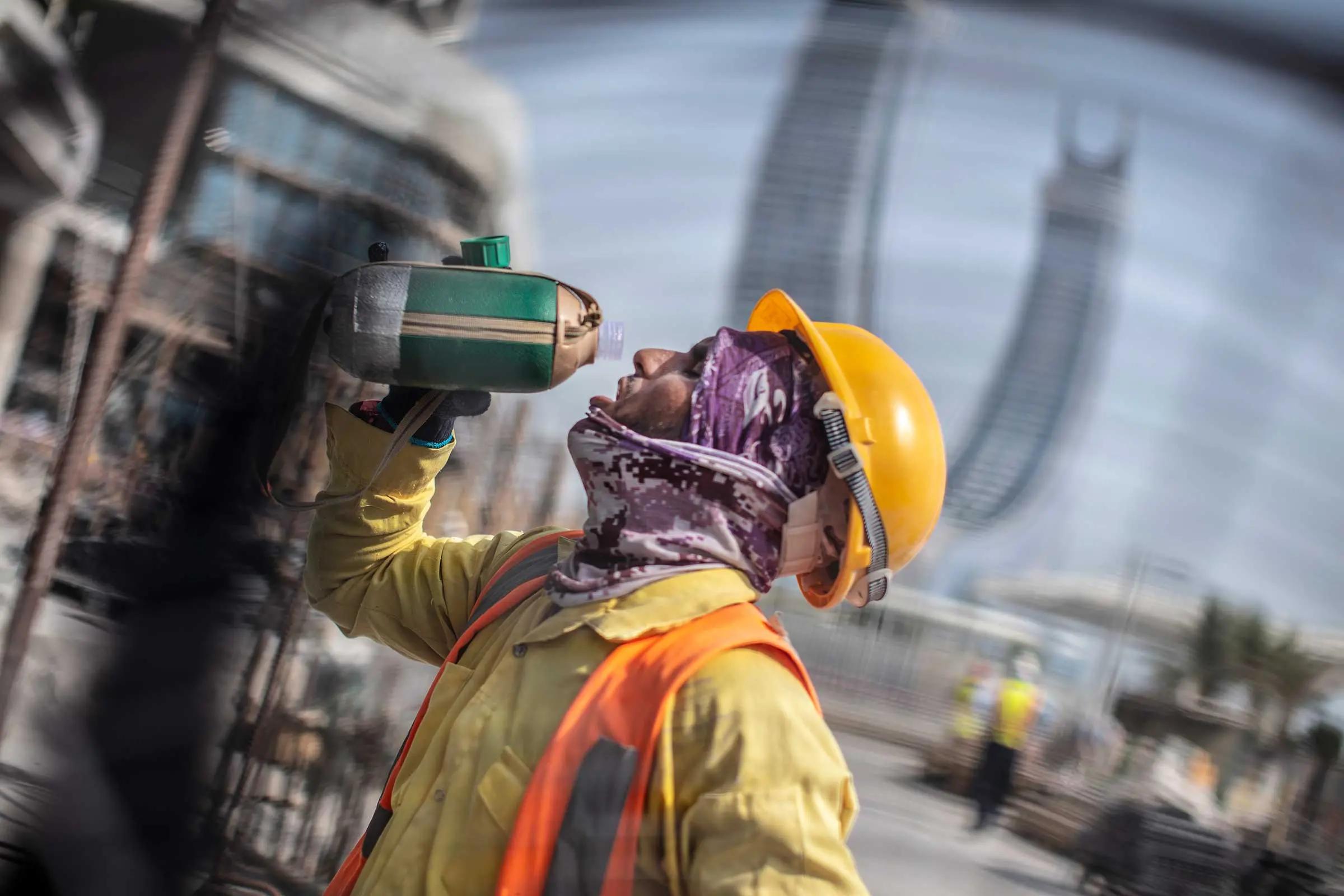
Heat, sweat, and long hours outdoors could be silently damaging your kidneys. Learn how Kenya’s rising temperatures are affecting outdoor workers and discover practical ways to protect your kidneys from dehydration and heat stress.
Heat, Dehydration & Kidney Burden: What Outdoor Workers in Kenya Need to Know
Kenya’s climate has always been warm, but in recent years, it’s become hotter, drier, and more unpredictable. From construction sites and farms to boda boda riders and street vendors, thousands of Kenyans spend their days under the blazing sun, working tirelessly to earn a living. Yet, behind this daily hustle lies an invisible threat, heat stress and dehydration, both of which can silently damage the kidneys.
At Clarivida, we’re seeing more young and middle-aged patients developing kidney problems linked to chronic dehydration. This growing trend among outdoor workers is a wake-up call and understanding how heat affects your kidneys could help save your life.
The Kidney’s Role in Hydration
Your kidneys are your body’s natural filters. Every day, they process around 150 liters of blood, removing toxins, balancing electrolytes, and maintaining hydration. But when you don’t drink enough water, or lose too much through sweat, your kidneys are forced to work harder.
Dehydration thickens your blood and reduces blood flow to the kidneys. When this happens frequently, it causes repeated episodes of acute kidney injury (AKI), which can evolve into chronic kidney disease (CKD) over time.
The danger? Many outdoor workers in Kenya don’t even realize they’re dehydrated until they’re already experiencing symptoms like dizziness, fatigue, or reduced urine output.
Kenya’s Heat Wave Reality
Kenya’s rising temperatures are not just uncomfortable, they’re medically dangerous. According to the Kenya Meteorological Department, average temperatures have increased by nearly 1°C over the past 40 years, and extreme heat days are becoming more common.
Farmers in regions like Machakos, Turkana, and Kisumu, and construction crews in Nairobi and Mombasa, often face daily exposure to 30°C–35°C without adequate rest or hydration. In these conditions, the body loses salt and water faster than it can replace them, a direct burden on kidney function.
Recent medical research even links repeated heat stress among outdoor workers to Mesoamerican Nephropathy, a kidney condition first observed among sugarcane cutters in Central America and now being reported in similar climates, including parts of Africa.
Signs Your Kidneys Are Under Stress
Outdoor work often pushes the body beyond its limits. But because kidney damage progresses silently, many workers ignore early signs. If you experience any of the following after long days in the sun, your kidneys could be signaling distress:
- Dark, strong-smelling urine
- Infrequent urination (fewer than 3 times a day)
- Fatigue or weakness
- Nausea or muscle cramps
- Swelling in feet or hands
Ignoring these symptoms and continuing to work in extreme heat without enough fluids accelerates the decline in kidney function, often leading to hospitalization or lifelong dialysis.
Why Dehydration Hits Outdoor Workers Harder
Outdoor jobs like farming, construction, road work, or vending involve high physical activity and direct sun exposure, which can cause the body to lose up to 1.5 liters of water per hour through sweat.
Compounding the problem, many Kenyan workers replace lost fluids with soda, energy drinks, or sweet tea, rather than plain water. These beverages worsen dehydration and increase kidney strain due to high sugar and caffeine content.
Some workers also avoid drinking water to minimize bathroom breaks, especially those working in areas without easy toilet access. Unfortunately, this habit causes long-term kidney stress that may take years to repair.
Protecting Your Kidneys on the Job
It’s possible to work safely under the sun without risking your kidneys. Here’s how:
🟢 Hydrate the Right Way
- Drink 250–500ml of water every 30–45 minutes while outdoors.
- Avoid excessive caffeine or soda, they act as diuretics.
- Use oral rehydration salts (ORS) when sweating heavily to restore electrolytes.
🟢 Rest Smart
- Take short shade breaks every 2 hours to cool your body temperature.
- Resting in high heat isn’t laziness, it’s kidney protection.
🟢 Eat for Kidney Health
- Include fruits like watermelon, oranges, and pawpaw, which hydrate naturally.
- Reduce salty and processed foods, which increase fluid retention and blood pressure.
🟢 Monitor Your Urine
- Pale yellow urine = good hydration.
- Dark yellow or amber urine = dehydration. Keep track daily, it’s one of the simplest ways to gauge kidney health.
How Clarivida Supports Outdoor Workers
At Clarivida Dialysis & Diagnostic Centre, we’re committed to protecting Kenya’s working population from preventable kidney disease. We’ve introduced early kidney screening packages that help detect dehydration-related kidney stress before it becomes severe. Our clinicians also provide hydration education, dietary advice, and continuous follow-up for those working under extreme heat conditions.
For companies and construction teams, Clarivida can conduct onsite kidney health clinics to assess hydration, blood pressure, and kidney markers ensuring your workforce stays healthy and productive.
Conclusion
In Kenya, where outdoor work sustains millions of families, kidney protection must become part of workplace safety. Heat-related kidney damage is preventable, but only if we start paying attention to our daily hydration habits.
Your kidneys don’t fail overnight. They fail silently, after weeks, months, or years of small, overlooked stress. So tomorrow, when you head to the farm, the site, or the street, carry that bottle of water like your life depends on it because it does.
Clinical Departments
Related procedures at Clarivida
Gastroenterology
Gastroscopy (OGD) & Upper Endoscopy
Direct examination of the oesophagus, stomach and duodenum
Gastroenterology
Colonoscopy
Examination of the entire large bowel for diagnosis, screening and polyp removal
Nephrology
Comprehensive Dialysis Center
Life-Sustaining Kidney Care
Bariatric Care
Non-Surgical Gastric Balloon
Minimally Invasive Weight Loss Solution