
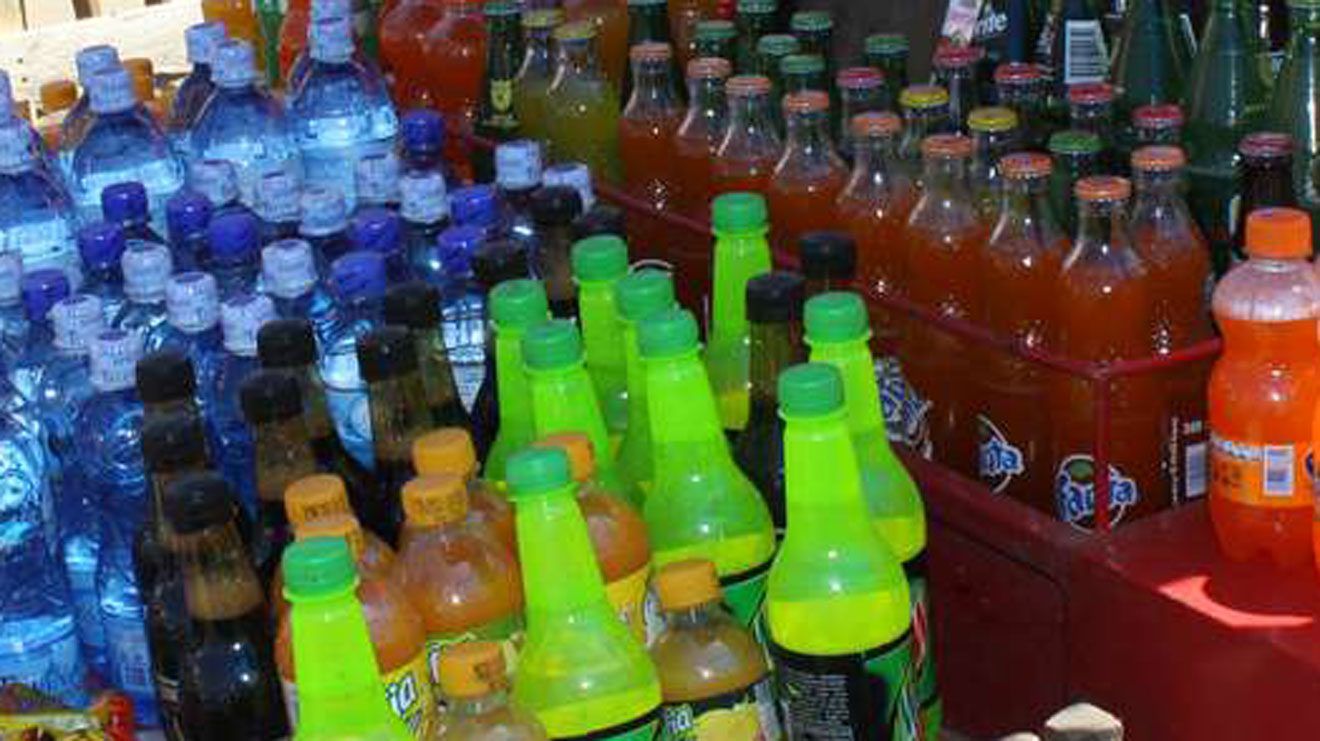
Hidden dangers could be lurking in your favorite Kenyan beverages. From sugary sodas to “healthy” juices and herbal teas, everyday drinks might be quietly damaging your kidneys. Learn how to make smarter, kidney-safe choices in this Clarivida guide.
Hidden Kidney Risks in Everyday Kenyan Beverages. What You’re Drinking Matters
When it comes to kidney health, most people think of salt, red meat, or medications as the main culprits. But in Kenya, the real threat might be in your cup. Whether it’s your morning chai, roadside soda, weekend Tusker, or that “fresh juice” at the café, what you drink every day could be quietly straining your kidneys.
At Clarivida, where we see patients living with kidney complications every week, one common factor keeps showing up: what they drink. Let’s take a deeper look into how everyday Kenyan beverages, the ones we rarely question, could be impacting your kidneys more than you realize.
The Sugary Trap: Sodas, Juices & Energy Drinks
Kenya’s beverage market has exploded with options, from imported sodas to local energy drinks that promise instant vitality. But here’s the catch: these drinks are often packed with refined sugar, phosphates, and artificial colors, all of which can silently harm your kidneys.
Studies show that high sugar intake contributes to insulin resistance and obesity, two major risk factors for chronic kidney disease (CKD). When you consume too much sugar, your kidneys have to work overtime filtering glucose out of the blood eventually wearing them down.
What’s even worse: Most bottled “fruit juices” in local shops contain very little real fruit. They’re mostly sugar, flavoring, and preservatives, a triple threat to both your kidneys and your gut.
🟢 Clarivida Tip: Swap that soda or energy drink for infused water (try cucumber, lemon, or mint) or unsweetened natural juice made fresh at home. Your kidneys will thank you.
Chai and Coffee: Helpful or Harmful?
Kenya runs on chai. Whether it’s morning breakfast or afternoon break, chai is part of our culture. But few people realize that the way we prepare our tea may not be as kidney-friendly as we think.
Many Kenyans add spoonfuls of sugar, sometimes even condensed milk, to every cup. Over time, this high sugar content contributes to kidney strain. Another hidden risk? Instant coffee and powdered creamers, which often contain phosphates and sodium additives. These minerals, when consumed in excess, can cause an imbalance that stresses the kidneys, especially in people already at risk of kidney disease.
That said, moderate coffee and tea intake can actually be beneficial, they contain antioxidants that support overall health. The danger lies not in the drink itself, but in how much sugar, creamer, or additives we use.
🟢 Clarivida Tip: Enjoy your chai or coffee with minimal sugar. Choose low-fat milk, skip the creamers, and keep it to 2–3 cups a day.
Alcohol and the “Weekend Kidney Stress”
Kenya’s social life often revolves around weekend drinks, be it beer, spirits, or local brews like chang’aa. While moderate alcohol may not directly cause kidney disease, binge drinking and chronic use can severely harm your kidneys over time.
Alcohol is dehydrating, it reduces the body’s water levels and causes blood pressure spikes, both of which burden your kidneys. Worse still, alcohol interferes with the kidneys’ ability to regulate fluid and electrolyte balance. In hot Kenyan climates, where dehydration is already common, this combination can be dangerous.
🟢 Clarivida Tip: If you drink, do it in moderation. Alternate every alcoholic beverage with a glass of water, and never mix alcohol with energy drinks. If you’re living with kidney or liver disease, alcohol should be completely avoided.
Bottled Water and “Mineral” Myths
Many Kenyans have switched to bottled or mineral water thinking it’s safer but not all bottled water is equal. Some brands contain high levels of sodium or fluoride, which can worsen kidney function if consumed over time.
Inconsistent labeling and lack of regulation mean consumers often don’t know what’s really in their bottled water. Even the “soda water” that many order at restaurants is not just carbonated, it contains added sodium, which increases fluid retention and blood pressure.
🟢 Clarivida Tip: Choose trusted bottled brands with low sodium content, or use filtered tap water. For those with kidney disease, consult your nephrologist about how much water and what type is best for you.
Herbal Concoctions: Nature Isn’t Always Safe
Across Kenya, many people use herbal teas and traditional drinks for “detox” or “kidney cleansing.” While some herbs can be beneficial, others are toxic to the kidneys, especially if taken in concentrated forms or mixed with alcohol.
Ingredients like aloe vera, comfrey, or non-tested local roots can cause a condition called herbal nephropathy, leading to long-term kidney damage.
🟢 Clarivida Tip: Always discuss herbal supplements with your doctor before using them, especially if you’re on dialysis or have early kidney issues.
Rethinking Your Daily Drink Routine
The truth is simple: the kidneys are filters — and whatever you drink, they process. When your choices overload them with sugar, sodium, or toxins, the damage builds silently. By the time symptoms appear, the kidneys are often already in decline.
A kidney-smart drink routine doesn’t mean you must give up everything you love. It means choosing balance, more water, fewer sweetened beverages, and mindfulness about what goes into your cup.
Final Word from Clarivida
At Clarivida, we believe prevention begins with awareness. If you’ve been diagnosed with early-stage kidney disease, or if you simply want to protect your kidneys for life, start by re-evaluating what you drink every day.Hydrate wisely. Read labels. And remember, every sip counts.
Clinical Departments
Related procedures at Clarivida
Gastroenterology
Gastroscopy (OGD) & Upper Endoscopy
Direct examination of the oesophagus, stomach and duodenum
Gastroenterology
Colonoscopy
Examination of the entire large bowel for diagnosis, screening and polyp removal
Nephrology
Comprehensive Dialysis Center
Life-Sustaining Kidney Care
Bariatric Care
Non-Surgical Gastric Balloon
Minimally Invasive Weight Loss Solution