
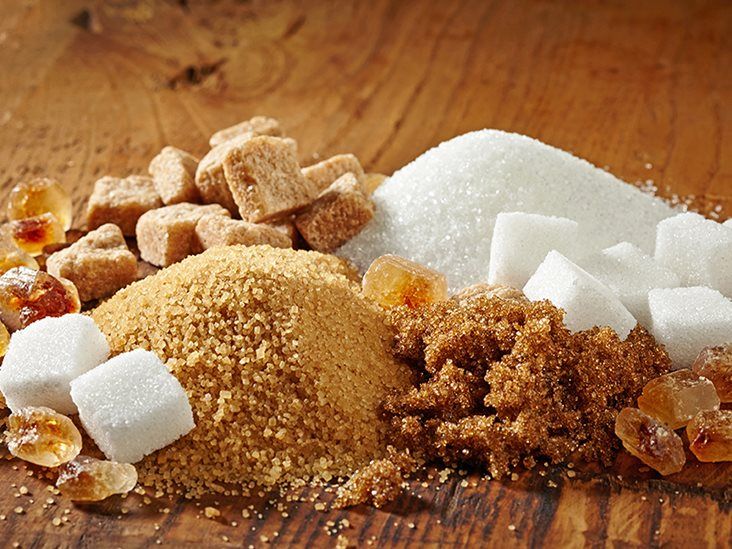
Many Kenyan foods hide dangerous amounts of sugar, even those that seem healthy. From breakfast cereals to juice, these “sweet traps” are silently harming your kidneys and digestion. Discover how to spot hidden sugars, protect your gut, and make smarter swaps for better health.
Hidden Sugars in Everyday Kenyan Foods. How They’re Harming Your Kidneys and Digestion
Sugar, it’s in almost everything we eat, even when we don’t taste it. From breakfast bread to bottled juice, many common Kenyan foods are loaded with hidden sugars that quietly harm your kidneys, liver, and digestive system.
In fact, according to the Ministry of Health, sugar consumption in Kenya has nearly doubled over the past decade, mostly due to processed snacks, flavored drinks, and “energy” beverages. What seems harmless on your plate may be silently fueling long-term disease.
1. Where Hidden Sugars Lurk
When people think of sugar, they picture spoonfuls in tea. But hidden sugars go far beyond that. They appear as:
- Glucose syrup in sodas and fruit juices
- Dextrose or maltose in bread, biscuits, and cereals
- High-fructose corn syrup in energy drinks and sweetened yogurt
- “Natural” sugars in honey-coated snacks or flavored milk
Even foods labeled “healthy”, like granola or flavored yoghurt, can contain up to five teaspoons of sugar per serving. Over time, this adds up and overloads your kidneys and digestive system.
2. The Kidney Connection: Too Much Sugar, Too Much Stress
When you eat excess sugar, your blood glucose spikes. Over time, high sugar levels damage the tiny blood vessels in your kidneys, making it harder for them to filter waste.
This is why diabetes is now one of Kenya’s leading causes of chronic kidney disease (CKD). A study by the Kenya Renal Association found that 1 in 10 adults in Nairobi has early-stage kidney damage, often without symptoms.
Even people without diabetes are at risk. Constant high sugar intake causes insulin resistance, which increases inflammation and forces the kidneys to work overtime.
3. Sugar’s Sneaky Effect on Digestion
Sugar doesn’t just affect the kidneys, it also disrupts the gut microbiome, the friendly bacteria that help digest food. When harmful bacteria thrive on excess sugar, people experience bloating, constipation, acid reflux, and food cravings.
Nutritionists call this the “sugar–gut–kidney connection.” It’s a vicious cycle: unhealthy gut bacteria cause inflammation, which then affects how your kidneys and liver process waste.
4. The Kenyan Sugar Trap: Common Culprits
Here are some everyday foods and drinks that hide large amounts of sugar:
- Mandazi and chapati – often made with added sugar and white flour
- Bottled juice and soda – one 500ml bottle can have 12–15 teaspoons of sugar
- Energy drinks – contain caffeine and sugar that spike blood pressure and strain kidneys
- Flavored yogurt and tea biscuits – marketed as “healthy” but can equal a soda in sugar
- Packaged cereals – especially imported brands that disguise sugar as “malt” or “corn syrup”
5. The Smart Way Forward
The good news? You don’t have to give up sweetness, just make smarter swaps:
✅ Use honey or ripe bananas instead of refined sugar.
✅ Choose unflavored yogurt and add your own fruits.
✅ Drink plain water or unsweetened tea.
✅ Read labels, anything ending with “-ose” means sugar.
✅ Keep total sugar below 6 teaspoons a day for adults.
6. Key Takeaway
Hidden sugars are a silent epidemic in Kenya’s urban diets. They taste sweet but can slowly damage kidneys, disrupt digestion, and increase your risk of diabetes.
By becoming more aware and reading labels, Kenyans can take small but powerful steps to protect their kidneys one meal at a time.
Clinical Departments
Related procedures at Clarivida
Gastroenterology
Gastroscopy (OGD) & Upper Endoscopy
Direct examination of the oesophagus, stomach and duodenum
Gastroenterology
Colonoscopy
Examination of the entire large bowel for diagnosis, screening and polyp removal
Nephrology
Comprehensive Dialysis Center
Life-Sustaining Kidney Care
Bariatric Care
Non-Surgical Gastric Balloon
Minimally Invasive Weight Loss Solution