
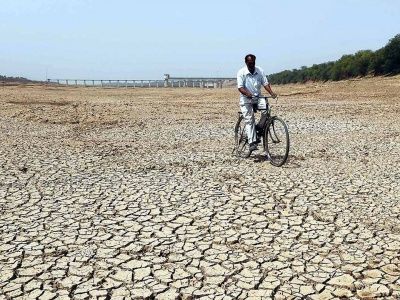
Rising heat and unsafe water are quietly damaging kidneys across Kenya’s arid regions. From Turkana to Garissa, chronic dehydration and contaminated wells are driving kidney disease. This blog uncovers the urgent link between climate change, water scarcity, and kidney health, and how education and clean water can save lives.
How Climate Change & Water Quality Are Affecting Kidney Health in Kenya’s Arid Regions
When you think of climate change, you probably imagine rising sea levels, failed crops, or extreme droughts. But there’s another silent consequence happening in Kenya’s dry regions: a rise in kidney and digestive health problems.
Counties like Turkana, Garissa, Isiolo, and Marsabit are getting hotter and drier each year, and that’s taking a toll on people’s kidneys.
1. The Hidden Danger of Heat and Dehydration
In Kenya’s northern and eastern counties, daytime temperatures regularly exceed 38°C. For people working outdoors herders, farmers, or construction workers that means constant fluid loss.
When the body loses water faster than it’s replaced, the kidneys struggle to filter waste. Over time, this leads to heat stress nephropathy, a form of kidney injury caused by chronic dehydration.
According to KEMRI’s 2024 findings, cases of dehydration-related kidney failure in Turkana have nearly doubled in the past decade, particularly among young men working long hours in the sun.
2. Unsafe Water Sources & Heavy Metal Exposure
In many arid regions, families rely on untreated wells, boreholes, or river water. While these sources may quench thirst, they often contain high levels of salts, fluoride, and heavy metals like lead or arsenic.
When people drink salty or contaminated water over time, their kidneys must work overtime to filter it. The result is an increased risk of chronic kidney disease of unknown origin (CKDu), a growing problem in both Kenya and other hot, low-income regions like India and El Salvador.
Some boreholes in Baringo and Garissa record fluoride levels more than twice the WHO limit, leading not only to kidney strain but also joint pain and digestive issues.
3. Climate Change and the Kidney Connection
The link between climate and kidneys is simple:
- Hotter days → More sweating → Less urine → More toxin buildup.
- Scarce water → Lower hydration → Higher risk of kidney stones and failure.
And because the digestive system also depends on hydration, people in dry areas experience constipation, ulcers, and acid reflux compounding the problem.
4. Who Is Most at Risk?
Rural workers, women fetching water, and children walking long distances for school are most affected. Add to that malnutrition, and you have a dangerous mix that weakens the body’s ability to recover.
People with diabetes or high blood pressure face an even higher risk since dehydration worsens these conditions.
5. What Kenya Can Do
- Water Education: Teach communities the signs of dehydration and the importance of drinking clean water frequently, not just when thirsty.
- Clean Water Access: Support projects like Water Is Life and solar desalination plants in Turkana and Kitui.
- Early Screening: Organize mobile clinics for kidney function testing and urine screening in rural markets and schools.
- Policy Action: Integrate kidney health awareness into Kenya’s climate adaptation programs; it's not just an environmental issue anymore.
6. Hope for the Future
Climate change may be global, but the solutions can start locally. From rainwater harvesting to community hydration programs, Kenya can lead the way in protecting kidney and digestive health in vulnerable regions.
As temperatures rise, one thing remains true, access to clean water and awareness saves lives. Every sip of safe water is a shield for your kidneys, a defense for your digestion, and a step toward a healthier Kenya.
Clinical Departments
Related procedures at Clarivida
Gastroenterology
Gastroscopy (OGD) & Upper Endoscopy
Direct examination of the oesophagus, stomach and duodenum
Gastroenterology
Colonoscopy
Examination of the entire large bowel for diagnosis, screening and polyp removal
Nephrology
Comprehensive Dialysis Center
Life-Sustaining Kidney Care
Bariatric Care
Non-Surgical Gastric Balloon
Minimally Invasive Weight Loss Solution