
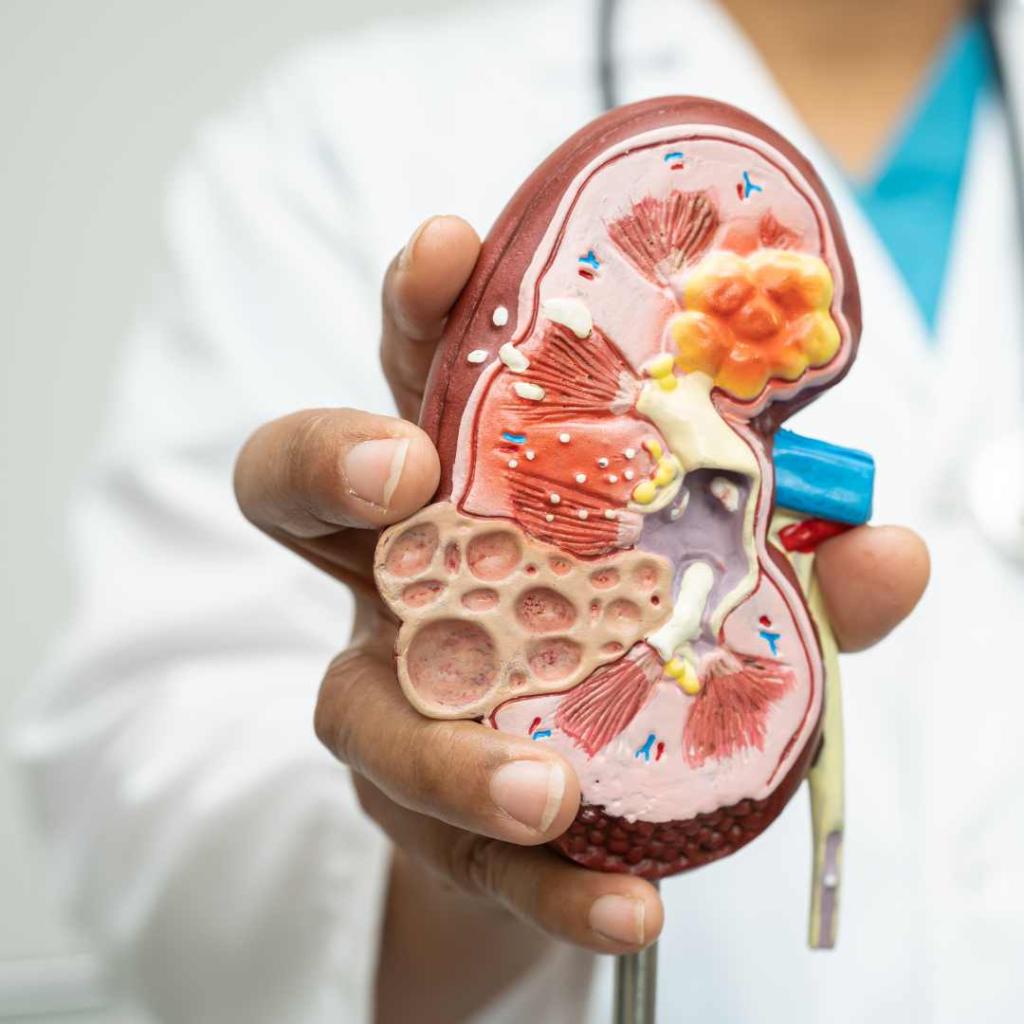
Your kidneys work harder than you realize, filtering 50 gallons of blood every day. In Kenya, lifestyle choices like diet, hydration, and sugar intake are silently shaping kidney health. Protect them now, or dialysis may become the only option.
Kidneys Under Pressure: How Lifestyle Choices Shape Your Kidney Health in Kenya
When you think of your kidneys, you might not give them much thought. Tucked away at the back of your abdomen, these two bean-shaped organs quietly filter about 50 gallons of blood every single day. They regulate fluid balance, control blood pressure, and remove waste yet most people only notice their kidneys when something goes wrong.
Across Kenya, kidney-related conditions are steadily on the rise. From hypertension to diabetes, lifestyle-driven illnesses are putting kidneys under pressure like never before. And when the kidneys fail, dialysis often becomes the lifeline.
So how do our everyday choices impact kidney health and what can we do to protect these vital organs before it’s too late?
1. Salt and the Silent Strain
Kenyans love flavorful meals, but a high-salt diet is a ticking time bomb for your kidneys. Excess salt raises blood pressure, forcing kidneys to work harder to filter blood. Over time, this can damage the delicate filters inside them.
Simple swap: Instead of reaching for the salt shaker, try natural herbs and spices like garlic, ginger, or rosemary to season your meals.
2. Diabetes and the Sugar Trap
Diabetes is one of the leading causes of kidney failure in Kenya. High blood sugar damages the blood vessels in the kidneys, reducing their ability to filter waste. The scary part? Many people live with undiagnosed diabetes until the damage is already advanced.
Prevention tip: Regular check-ups and blood sugar monitoring can make a huge difference. Catching diabetes early is one of the best defenses against kidney disease.
3. The Role of Hydration
Water might be the cheapest medicine you’ll ever find. Staying hydrated helps flush out toxins and keeps your kidneys running smoothly. But in Kenya’s fast-paced lifestyle, it’s easy to forget the basics. Many people consume more soda and energy drinks than clean water.
Smart shift: Aim for at least 6–8 glasses of water daily. Your kidneys will thank you.
4. Hidden Dangers: Painkillers and Herbal Remedies
Self-medication is common in Kenya, but regular use of over-the-counter painkillers like ibuprofen or unverified herbal remedies can cause silent but severe kidney damage.
Clarivida advice: Always consult a medical professional before taking any medication or alternative therapy.
5. Dialysis: A Lifeline When Kidneys Fail
When lifestyle and health conditions push kidneys past repair, dialysis steps in. This life-saving treatment helps clean the blood when kidneys can no longer do their job.
At Clarivida Dialysis Center, we believe dialysis doesn’t have to mean discomfort. Our modern suites are designed with patient comfort in mind providing not just treatment, but dignity, care, and support for families navigating kidney disease.
The Bottom Line
Kidney health is in your hands quite literally in your daily choices. From diet and hydration to avoiding harmful habits, the small changes you make today can prevent dialysis tomorrow.
But if dialysis does become necessary, Clarivida is here to ensure every session feels less like a burden and more like a bridge to living well.
Clinical Departments
Related procedures at Clarivida
Gastroenterology
Gastroscopy (OGD) & Upper Endoscopy
Direct examination of the oesophagus, stomach and duodenum
Gastroenterology
Colonoscopy
Examination of the entire large bowel for diagnosis, screening and polyp removal
Nephrology
Comprehensive Dialysis Center
Life-Sustaining Kidney Care
Bariatric Care
Non-Surgical Gastric Balloon
Minimally Invasive Weight Loss Solution