
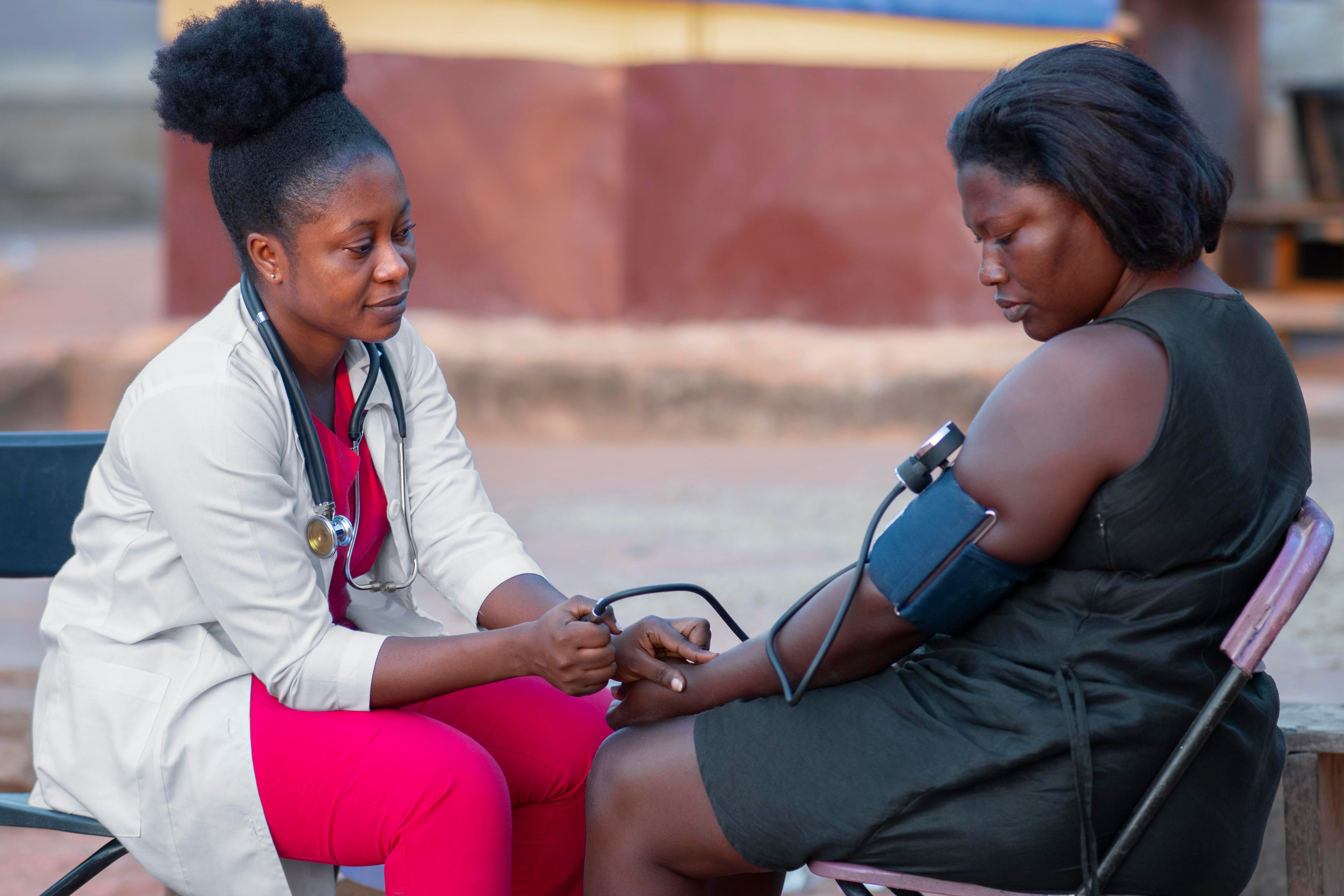
Women in Kenya face unique challenges with kidney disease, from hormonal factors and pregnancy risks to social stigma and late diagnosis. Clarivida empowers women with education, early screening, and supportive dialysis care tailored for their needs.
Kidney Disease in Women: Unique Considerations for Female Dialysis Patients in Kenya
In Kenya, kidney disease often goes unnoticed until it reaches an advanced stage and for women, the journey can be even more complex. While men are statistically more likely to develop kidney failure, studies show that women are less likely to be diagnosed early or to access dialysis treatment promptly. Between hormonal changes, pregnancy risks, and social barriers, kidney disease in women deserves a closer look and more focused care.
1. The Hidden Burden of Kidney Disease in Kenyan Women
For many Kenyan women, symptoms like fatigue, swelling, or changes in urination are often dismissed as stress or hormonal fluctuations. This leads to late diagnosis, when dialysis becomes the only treatment option. According to data from the Kenya Renal Association, nearly 40% of women on dialysis were diagnosed only after advanced kidney failure symptoms appeared.
Cultural factors also play a role. Women often prioritize their families’ health over their own, delaying medical visits or screenings. The result? Missed opportunities for early intervention that could have slowed or prevented kidney decline.
2. Hormonal Factors and Pregnancy-Related Risks
Female hormones, particularly estrogen, affect kidney function and blood pressure regulation. Conditions such as polycystic ovary syndrome (PCOS) and preeclampsia during pregnancy can strain the kidneys, increasing the long-term risk of chronic kidney disease (CKD).
For women already living with CKD, pregnancy carries significant risks to both mother and baby. Dialysis frequency often needs to increase during pregnancy, and close monitoring becomes vital. Yet, many women in Kenya lack access to specialized nephrology and obstetric care. Clarivida advocates for early preconception counseling and personalized dialysis planning for expectant mothers.
3. Dialysis & Menstrual Health: What to Expect
Dialysis can cause irregular or missed menstrual cycles due to hormone imbalances and the body’s stress response. Some women experience lighter periods, while others may stop menstruating altogether. This can be emotionally challenging, especially for younger women who may fear loss of fertility.
However, fertility can sometimes improve once dialysis stabilizes the body’s chemical balance. Open conversations with nephrologists and gynecologists can help women make informed decisions about reproductive health while on treatment.
4. Emotional Health & Social Stigma
Beyond the physical challenges, female dialysis patients often face social stigma, from myths that dialysis means “the end of life” to fears about relationships or marriage prospects. Many women report feeling isolated or self-conscious about the visible signs of treatment, such as the dialysis fistula.
Clarivida encourages open dialogue, community support, and mental health counseling. Emotional well-being is a key part of kidney recovery. Support groups and peer networks for women can transform dialysis from a lonely journey into a shared path of strength and resilience.
5. Nutrition and Body Image for Female Dialysis Patients
Diet management is another area where women face unique pressures. Traditional Kenyan meals can be high in sodium and phosphorus, both of which strain the kidneys. Women, often the primary meal planners in households, have to balance their own dietary restrictions with family needs.
Clarivida’s nutrition specialists recommend tailored diet plans that align with dialysis requirements while keeping familiar local foods. Small adjustments like soaking vegetables to reduce potassium or swapping certain spices can make a big difference.
Body image also matters. Dialysis may cause changes in weight or swelling, which can impact self-esteem. At Clarivida, we remind patients that healing comes in stages, and true wellness is about feeling strong and alive, not just fitting an image.
6. Empowering Women Through Education & Access
The solution begins with awareness and access. Regular kidney screenings, especially for women with diabetes, hypertension, or pregnancy complications, can save lives. Clarivida continues to raise awareness through outreach programs and health camps focused on women’s kidney wellness.
Education is empowerment and every woman deserves to know how to protect her kidneys and live fully, even with dialysis.
Clinical Departments
Related procedures at Clarivida
Gastroenterology
Gastroscopy (OGD) & Upper Endoscopy
Direct examination of the oesophagus, stomach and duodenum
Gastroenterology
Colonoscopy
Examination of the entire large bowel for diagnosis, screening and polyp removal
Nephrology
Comprehensive Dialysis Center
Life-Sustaining Kidney Care
Bariatric Care
Non-Surgical Gastric Balloon
Minimally Invasive Weight Loss Solution