
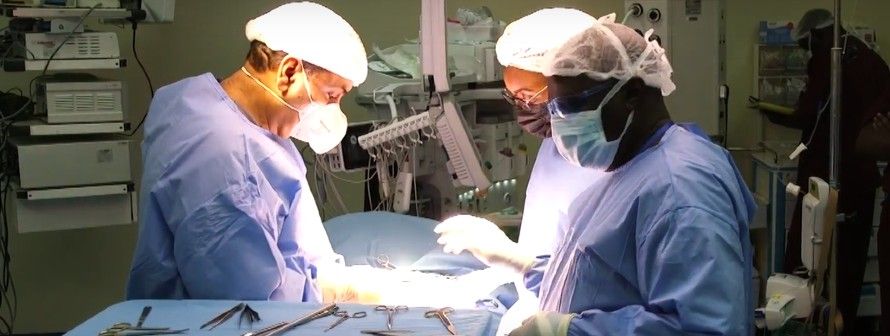
Kenya just hit a medical milestone with its first successful kidney transplants and new training programs to boost endoscopy capacity. Discover what this means for patients, how it could change treatment beyond dialysis, and why safe, early diagnosis is now within reach.
Kenya’s Medical Milestone: Launching Kidney Transplants & Building Endoscopy Skills. What It Means for Patients
Kenya recently marked a major leap forward in its healthcare landscape. In May 2025, Kenya University Teaching, Referral and Research Hospital (KUTRRH) successfully performed its first two kidney transplant surgeries, opening up new possibilities beyond lifelong dialysis. Meanwhile, in parallel, efforts to strengthen endoscopic capacity are getting renewed attention: Olympus is running a Kenya–Japan cooperative training program for Kenyan endoscopists.
These two developments carry enormous significance not only medically, but socially, economically, and ethically. For patients who’ve long relied on dialysis and for clinicians facing capacity constraints, this is an inflection point. Let’s explore what these advances mean for Kenyans, the challenges ahead, and how patients and providers can prepare to benefit.
A New Dawn: Kidney Transplants in Kenya
Dialysis has been the backbone of kidney failure treatment in Kenya for decades. But it comes with limitations: high cost, frequent sessions, vascular access issues, and a heavy burden on patients and health systems. Now, with the successful transplants at KUTRRH, Kenya has demonstrated that it is possible to move to more definitive, life-saving interventions.
These transplants were not just symbolic. They set a precedent for local capacity, reducing dependence on overseas care, cutting travel and transplantation logistics, and giving hope to patients on long waiting lists. That said, the transition from “first transplants” to sustainable transplant programs requires infrastructure, donor networks, immunosuppressive drugs, post-transplant follow-up systems, and ethical oversight.
Strengthening Endoscopy Capacity: Skill Transfer, Local Growth
While kidney transplantation grabs headlines, the quieter but equally vital progress in endoscopic training is helping Kenya’s health system close gaps in early detection of GI diseases (like cancers, ulcers, etc.). Olympus, in collaboration with Japan, is running a multi-year program to train Kenyan doctors in endoscopy combining local and overseas exposure.
In the training program, Kenyan clinicians receive lectures on advanced endoscopic diagnostics, get hands-on guidance from Japanese counterparts, and then travel to Japan for observational experience and practical training. One trainee, Dr. Brandon Oduor, commented on bringing the knowledge back to Kenya.
This builds not just individual skills, but systemic capacity. As more trained endoscopists become available, more patients across Kenya may gain access to early disease detection, shorter wait times, and better outcomes.
Why These Advances Matter, in Real Life
- Improved Quality of Life & Outcomes Transplants, if managed well, reduce reliance on dialysis, free up patients’ time, and potentially extend life expectancy. Early endoscopy helps catch GI cancers or disease before they become advanced and costlier to treat.
- Cost Efficiency & Health System Relief While transplantation has a high upfront cost, in the long run it can reduce recurring dialysis expenses. And early detection through endoscopy can reduce downstream costs of late-stage treatment.
- Geographic Reach & Equity Kidney transplant centers can centralize services, but trained endoscopists can be distributed more broadly (especially if telehealth, outreach, and hub-and-spoke models are used). This helps reduce rural–urban disparities in access.
- Ethical & Legal Complexity With transplantation comes the need for donor registration, ethical oversight, immunologic matching, and post-op care. Kenya must guard against exploitative practices (especially given recent concerns about organ trafficking).
Challenges & What Must Be Addressed
- Sustainability & Funding Transplants are resource-intensive: surgical teams, immunosuppressants, labs, long-term follow-up. Ensuring these are sustainably funded is key.
- Donor Supply & Ethics Organ donation systems need transparency, legal safeguards, and public trust to prevent illicit trade. The recent investigations into kidney-trafficking rings illustrate the risk.
- Post-Procedure Care Infrastructure Patients need lifetime immunosuppression monitoring, rejection surveillance, and multidisciplinary support (nutrition, infection control).
- Scaling Endoscopy Access Training more clinicians is essential, but so is ensuring equipment, endoscope reprocessing systems, and referral networks.
- Awareness & Screening Culture Public education is needed so digestive or urinary symptoms aren’t dismissed early. Encouraging people to seek care earlier increases the benefit of upgraded systems.
What Patients & Clinics Can Do Now
- Patients & Families Educate yourself: know if you qualify (in kidney disease) for transplant assessment. Seek GI evaluation for persistent symptoms, even mild ones. Ask if local hospitals have endoscopy service.
- Clinics & Hospitals Engage with training opportunities (e.g. Olympus programs). Invest in infrastructure (endoscopy suites, sterilization). Build collaborations with transplant centers.
- Advocates & Policymakers Create policies to support transplant funding, ethical frameworks, organ donor registry, and expand gastroenterology access in underserved areas.
Looking Forward
Kenya’s recent first kidney transplants and investment in endoscopic training represent structural shifts in health capability. While the road ahead is complex, these developments signal that Kenya is moving beyond palliative care into curative and preventive medicine. Patients, doctors, and communities all have roles to play in turning these milestones into routine, equitable services.
Clinical Departments
Related procedures at Clarivida
Gastroenterology
Gastroscopy (OGD) & Upper Endoscopy
Direct examination of the oesophagus, stomach and duodenum
Gastroenterology
Colonoscopy
Examination of the entire large bowel for diagnosis, screening and polyp removal
Nephrology
Comprehensive Dialysis Center
Life-Sustaining Kidney Care
Bariatric Care
Non-Surgical Gastric Balloon
Minimally Invasive Weight Loss Solution