
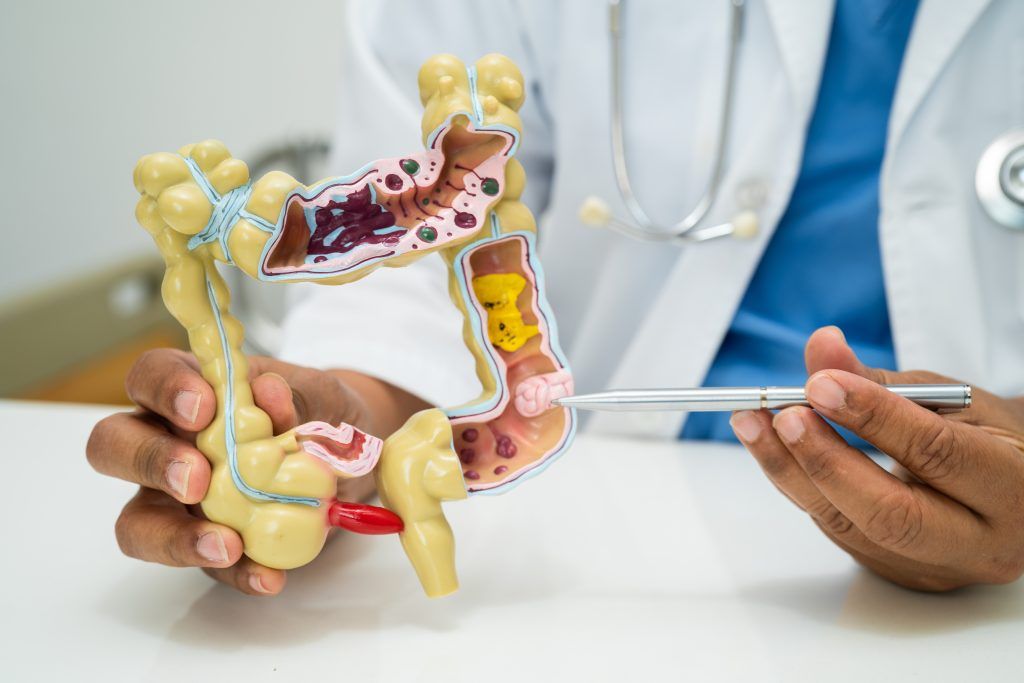
Colon cancer is no longer just an “older person’s disease.” In Kenya, more young adults are being diagnosed every year. Learn why cases are rising, which symptoms you should never ignore, and how early endoscopy can save lives through timely detection and treatment.
Rising Cases of Colon Cancer Among Younger Kenyans: Why Early Endoscopy Matters
For decades, colon cancer was considered a disease of older adults, typically diagnosed in people over the age of 50. But in recent years, Kenya has witnessed a troubling trend: younger patients in their 20s, 30s, and 40s are being diagnosed with colon cancer at higher rates than before.
This shift is not unique to Kenya; it mirrors global patterns. However, in a country where awareness, screening, and specialized treatment facilities remain limited, the rise in early-onset colon cancer poses a particularly urgent public health challenge.
Why Are Younger Kenyans at Risk?
The reasons behind rising colon cancer cases among young people are complex and multifactorial:
- Dietary Shifts Urban lifestyles have introduced more processed foods, red meat, and refined sugars while reducing intake of fiber-rich vegetables and whole grains. This dietary shift contributes to inflammation and increases cancer risk.
- Sedentary Habits With more desk-based jobs, long commutes, and less physical activity, young Kenyans are leading more sedentary lifestyles than past generations. Lack of exercise is strongly linked to higher colon cancer risk.
- Delayed Diagnosis Younger people and even healthcare providers often dismiss early symptoms—such as persistent stomach pain, rectal bleeding, or changes in bowel habits—as minor issues like ulcers, hemorrhoids, or infections. By the time cancer is identified, it is often in advanced stages.
- Family History and Genetics In some cases, inherited syndromes like Lynch syndrome or a family history of colorectal cancer dramatically increase the risk at a younger age. Unfortunately, genetic testing is not widely available in Kenya.
Why Early Endoscopy Is Critical
The good news is that colon cancer is one of the most preventable and treatable cancers, if detected early. That’s where endoscopy comes in.
An endoscopy (specifically, colonoscopy) allows doctors to visually examine the large intestine and detect abnormalities, polyps, or tumors. Small precancerous polyps can often be removed during the procedure before they develop into cancer.
In countries with established screening programs, colonoscopy has significantly reduced both incidence and mortality from colon cancer. For Kenya, expanding access to this procedure is a lifesaving necessity.
Key Symptoms That Shouldn’t Be Ignored
Young people often delay seeking medical help, thinking colon cancer only affects “older people.” Here are symptoms that should prompt an immediate consultation and possibly an endoscopy:
- Unexplained weight loss
- Persistent abdominal discomfort or cramps
- Blood in stool (bright or dark)
- Unexplained anemia (low blood count)
- A sudden, lasting change in bowel habits (constipation or diarrhea)
If you notice any of these signs, especially if they persist for more than a few weeks, consult a gastroenterologist.
Challenges in Kenya
Despite its importance, access to endoscopy in Kenya faces obstacles:
- Limited facilities: Endoscopy centers are concentrated in Nairobi, Mombasa, Kisumu, and a few other urban areas. Rural populations remain underserved.
- Cost barriers: Even with NHIF coverage, the procedure can be costly for many families.
- Awareness gaps: Many Kenyans, especially younger adults, don’t know that colon cancer can strike early or that screening is possible.
Building a Culture of Early Screening
Addressing this rising trend requires coordinated efforts:
- Public Awareness Campaigns Schools, workplaces, and community forums can help spread knowledge about the importance of digestive health and early screening.
- Healthcare Training Clinicians must be trained to recognize colon cancer risks in younger patients and not dismiss red-flag symptoms.
- Affordable Access Partnerships between public hospitals, private clinics, and NGOs could subsidize endoscopy for at-risk groups.
- Lifestyle Interventions Encouraging diets rich in vegetables, legumes, and whole grains and promoting active lifestyles remains a powerful prevention strategy.
A Call to Action for Young Kenyans
Colon cancer is no longer an “old person’s disease.” Every young adult should take digestive health seriously. Don’t ignore persistent stomach problems, and don’t be embarrassed to ask for an endoscopy if symptoms don’t resolve.
Early diagnosis not only saves lives but also reduces treatment costs and improves quality of life. By normalizing conversations about screening and prevention, Kenya can turn the tide on this rising threat.
Call To Action
The increasing number of colon cancer cases among younger Kenyans is alarming, but it doesn’t have to mean higher death rates. With greater awareness, improved access to endoscopy, and lifestyle changes, many of these cancers can be prevented or treated early.
Your health is your future. If you or someone you know is experiencing digestive symptoms, don’t wait, schedule a checkup and consider early endoscopy.
Clinical Departments
Related procedures at Clarivida
Gastroenterology
Gastroscopy (OGD) & Upper Endoscopy
Direct examination of the oesophagus, stomach and duodenum
Gastroenterology
Colonoscopy
Examination of the entire large bowel for diagnosis, screening and polyp removal
Nephrology
Comprehensive Dialysis Center
Life-Sustaining Kidney Care
Bariatric Care
Non-Surgical Gastric Balloon
Minimally Invasive Weight Loss Solution