
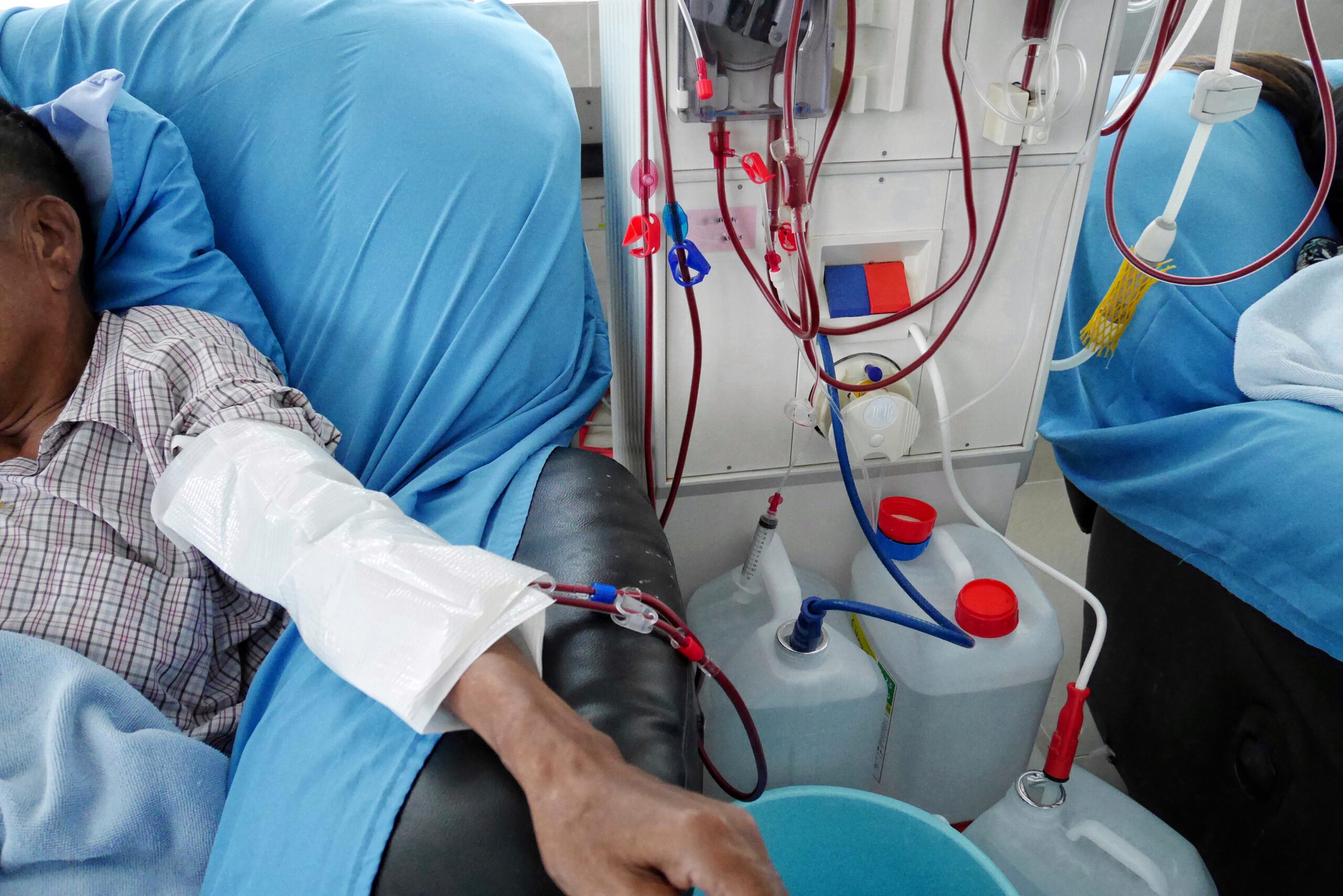
Dialysis saves lives, but it also comes with hidden risks. From infections and fatigue to fluid errors and emotional strain, here’s what every Kenyan dialysis patient should know and the vital questions to ask your doctor.
Silent Dialysis Complications You Didn’t Know About: What to Ask Your Doctor
For many Kenyans living with kidney failure, dialysis is a life-saving treatment, one that replaces the kidneys’ function by filtering toxins and balancing body fluids. But while dialysis keeps you alive, it can also quietly affect other areas of your health if you don’t pay attention.
At Clarivida Dialysis & Diagnostic Centre, we’ve seen how small, silent complications can build up over time, often unnoticed until they become serious. This post is about shining a light on those hidden risks and empowering patients to ask the right questions during their dialysis visits.
The Myth of “Once You Start Dialysis, You’re Safe”
Dialysis doesn’t cure kidney failure, it manages it. Yet, many patients believe that as long as they attend their sessions, everything is fine. The truth is, dialysis is a delicate balancing act. Your blood pressure, fluid intake, diet, and even emotional state all influence how your body responds to treatment.
Some complications creep in slowly, fatigue that becomes constant, mild swelling that’s dismissed, or subtle weight changes that seem harmless. But these may be signs that your dialysis plan needs adjustment.
That’s why asking questions and staying involved in your treatment is critical. Awareness can help you catch small issues before they become big problems.
The Hidden Danger: Dialysis Fatigue
Every dialysis patient knows what tiredness feels like after a session. But persistent fatigue, the kind that doesn’t improve with rest, can signal deeper issues.
Sometimes it’s due to anemia (low red blood cell count), poor nutrition, or inadequate dialysis meaning toxins aren’t being fully removed from your system. Other times, it’s linked to low blood pressure during treatment, which reduces oxygen flow to the brain and muscles.
🟢 What to ask your doctor:
- “Could my fatigue be linked to anemia or low dialysis clearance?”
- “Should my blood flow rate or session duration be reviewed?”
- “Can I adjust my diet to improve my energy levels?”
Clarivida’s nephrology team regularly screens for these issues and adjusts treatment settings to ensure your dialysis is both safe and effective.
The “Dry Weight” Confusion
Many patients don’t fully understand the term “dry weight” , the ideal post-dialysis weight when the right amount of fluid has been removed. Removing too little fluid can leave you with swelling and high blood pressure, while removing too much can cause dizziness, muscle cramps, and fainting.
Small, repeated errors in dry weight management can stress your heart and kidneys. If you’ve noticed changes in your weight, swelling in your legs, or shortness of breath between sessions, it’s time to talk to your care team.
🟢 What to ask your doctor:
- “Is my dry weight still correct, or should it be updated?”
- “Can I get a review of my fluid removal goals?”
- “How can I track my daily fluid intake better?”
At Clarivida, we use advanced monitoring and patient feedback to fine-tune fluid management, preventing avoidable complications.
The Silent Threat of Infections
Dialysis patients are at a higher risk of infections, especially those with catheters or fistulas. Even small infections can become life-threatening if bacteria enter the bloodstream, a condition known as sepsis.
The scary part? Early symptoms often look harmless: mild fever, redness around the access site, or unusual chills. Many patients ignore these signs or self-medicate, a mistake that can cost lives.
🟢 What to ask your doctor:
- “What signs of infection should I look out for at my access site?”
- “How often should my fistula or catheter be checked?”
- “Can I get a refresher on proper cleaning techniques?”
Clarivida places heavy emphasis on infection prevention, using sterile protocols and patient education to keep every session safe.
Bone and Mineral Imbalances
Kidney failure affects how your body processes calcium, phosphorus, and vitamin D leading to bone pain, weak bones, and joint stiffness. Dialysis alone can’t fix this imbalance, which is why most patients need phosphate binders or vitamin supplements.
Unfortunately, when patients skip doses or adjust medication on their own, these mineral imbalances worsen quietly over months.
🟢 What to ask your doctor:
- “Are my calcium and phosphorus levels stable?”
- “Do I need to change my diet or medication?”
- “Can bone pain mean my minerals are out of balance?”
At Clarivida, our lab regularly tracks these parameters to prevent long-term bone damage and related complications.
Mental and Emotional Health. The Silent Struggle
Dialysis is not just physical; it’s emotional. Many patients in Kenya silently struggle with stress, anxiety, or depression caused by lifestyle changes, financial burdens, and treatment fatigue.
Ignoring mental health can reduce appetite, lower energy, and even affect how well you respond to treatment. Unfortunately, emotional wellbeing is often left out of standard dialysis discussions.
🟢 What to ask your doctor:
- “Are there support groups or counseling services for dialysis patients?”
- “How can I manage the stress of long-term treatment?”
- “What lifestyle habits can improve my mood and energy?”
Clarivida offers patient support sessions and stress management counseling, because total wellness means caring for both your body and mind.
How to Take Charge of Your Dialysis Journey
The most successful dialysis patients are not the ones who know the most medicine, but the ones who ask questions, track their symptoms, and stay involved.
Keep a small notebook or phone app where you record:
- How you feel after each session
- Changes in appetite or sleep
- Weight, blood pressure, and fluid intake
Then share these notes with your care team. It helps them personalize your treatment and catch small issues before they grow.
Final Word from Clarivida
Dialysis saves lives but understanding your treatment keeps you healthy. By asking questions, observing changes, and working closely with your nephrology team, you can prevent silent complications and live a fuller, stronger life.
At Clarivida, our mission goes beyond treatment. We’re here to educate, empower, and walk with you, every step of your kidney health journey.
Clinical Departments
Related procedures at Clarivida
Gastroenterology
Gastroscopy (OGD) & Upper Endoscopy
Direct examination of the oesophagus, stomach and duodenum
Gastroenterology
Colonoscopy
Examination of the entire large bowel for diagnosis, screening and polyp removal
Nephrology
Comprehensive Dialysis Center
Life-Sustaining Kidney Care
Bariatric Care
Non-Surgical Gastric Balloon
Minimally Invasive Weight Loss Solution