
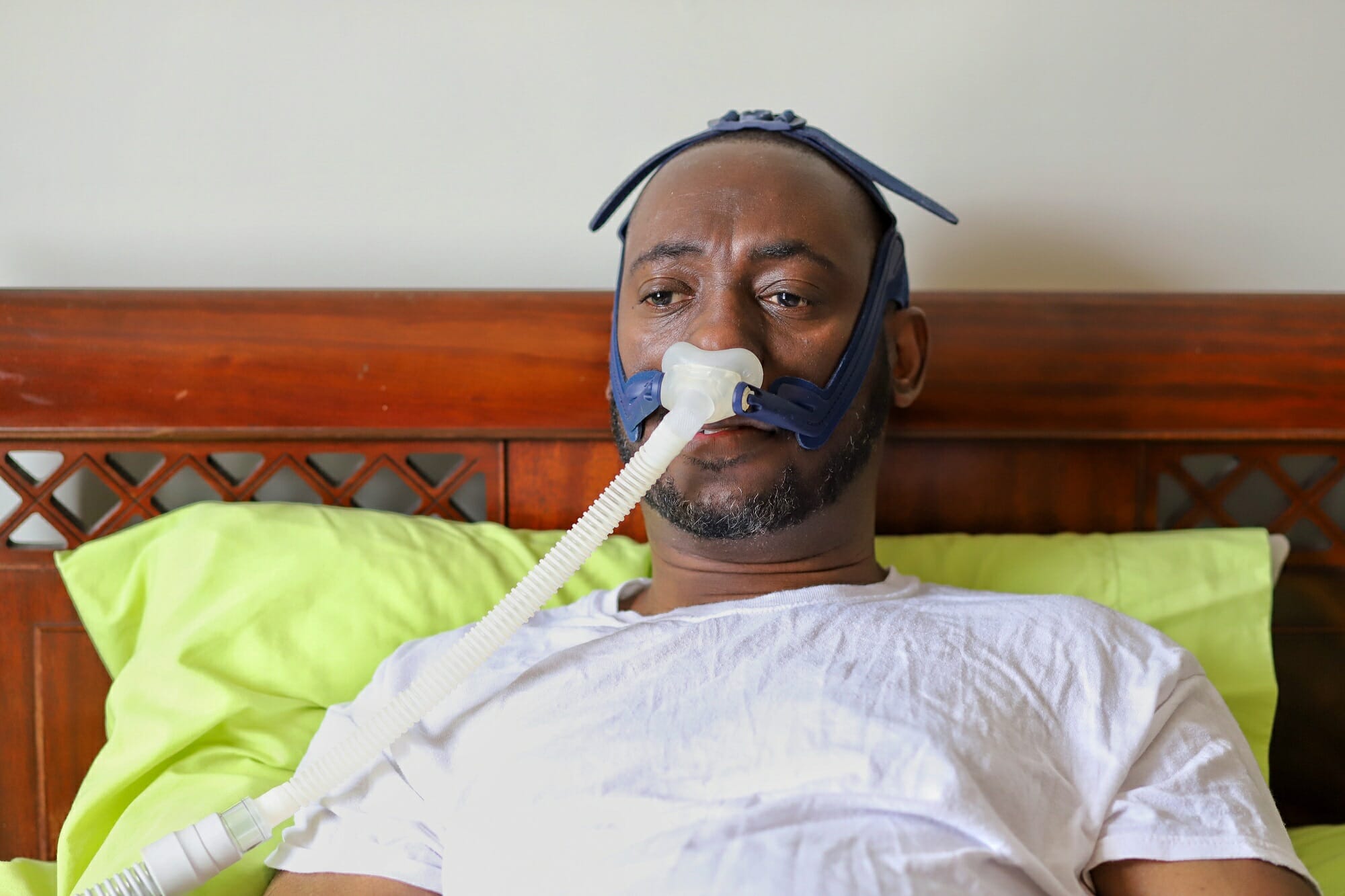
Could your snoring be silently damaging your kidneys? Many Kenyans suffer from sleep apnea without knowing it, a condition that raises blood pressure and harms kidney function. Learn how Clarivida helps you protect your sleep and your health.
Sleep Apnea & Kidney Damage: The Untold Risk for Kenyan Adults
Why Your Snoring Might Be Telling a Bigger Story
Most people think of snoring as an annoyance, something your spouse complains about or a habit blamed on being tired. But what if that snoring was actually a sign of something more dangerous happening inside your body?
Across Kenya, more adults are being diagnosed with sleep apnea, a condition where breathing repeatedly stops and starts during sleep. It may sound harmless, but research shows that untreated sleep apnea can silently damage your kidneys, affect your blood pressure, and even strain your heart. Yet, it remains one of the most underdiagnosed health issues in the country.
At Clarivida, we’re not just focused on treating kidney and gastrointestinal problems; we’re also committed to exploring the hidden links that cause them, and poor sleep is one of the most overlooked.
What Exactly Is Sleep Apnea?
Sleep apnea happens when the muscles in your throat relax too much during sleep, temporarily blocking your airway. The body then wakes up, often for just a few seconds to resume breathing. This can happen dozens, even hundreds of times a night, leaving you exhausted without realizing why.
There are two main types:
- Obstructive Sleep Apnea (OSA): Caused by blocked airflow due to throat relaxation.
- Central Sleep Apnea (CSA): The brain temporarily fails to send signals to breathe.
In Kenya, most patients suffer from OSA, and many go years without a diagnosis because the symptoms can be subtle or mistaken for stress or fatigue.
The Hidden Link Between Sleep & Kidneys
So, how does a sleep disorder affect the kidneys?
The kidneys rely on steady oxygen flow and stable blood pressure to function properly. Sleep apnea disrupts both. Every time you stop breathing, oxygen levels in your blood drop, and your body reacts by producing stress hormones that spike blood pressure. Over time, this repeated cycle of stress and oxygen deprivation can:
- Damage the tiny blood vessels in the kidneys.
- Reduce the organ’s ability to filter toxins.
- Accelerate chronic kidney disease (CKD) progression.
Studies show that people with untreated sleep apnea are twice as likely to develop kidney problems compared to those with healthy sleep patterns.
Common Warning Signs to Watch For
You might not realize you have sleep apnea, but your body gives you clues. Some key symptoms include:
- Loud, persistent snoring (often noticed by others)
- Morning headaches
- Feeling tired even after a full night’s sleep
- Dry mouth or sore throat upon waking
- Difficulty focusing during the day
- High blood pressure that’s hard to control
If you have diabetes, hypertension, or existing kidney disease, untreated sleep apnea can make managing your condition even harder.
Sleep Apnea in Kenya: A Growing Concern
Lifestyle changes, urban stress, and dietary habits are making sleep apnea more common, especially in cities like Nairobi, Mombasa, and Kisumu. The rise in obesity, sedentary work, and stress eating adds to the risk. Unfortunately, because many Kenyans don’t seek medical help for sleep-related issues, the problem often goes unnoticed until kidney function is already affected.
Clarivida’s specialists have observed a trend: patients struggling with resistant hypertension or unexplained kidney decline often have undiagnosed sleep apnea.
Simple Steps for Better Sleep & Kidney Protection
You don’t always need expensive equipment to start improving your sleep health. Here’s how you can begin:
- Maintain a healthy weight – Losing even a small amount can reduce snoring and apnea severity.
- Sleep on your side instead of your back to keep airways open.
- Avoid alcohol and heavy meals close to bedtime.
- Stay hydrated during the day but limit fluids before sleep.
- Seek screening if you snore loudly or feel constantly tired. Clarivida can help guide your next steps.
Early detection and treatment can dramatically improve both your sleep quality and your kidney health.
Clarivida’s Holistic View
At Clarivida, we understand that kidney and digestive wellness go far beyond medications or tests. We believe that good sleep is preventive medicine, an essential part of staying healthy, productive, and full of energy. That’s why we encourage Kenyans to take sleep issues seriously, not just for rest, but for the organs working tirelessly every day to keep you alive.
Your kidneys never sleep but you should. And you should do it well.
Clinical Departments
Related procedures at Clarivida
Gastroenterology
Gastroscopy (OGD) & Upper Endoscopy
Direct examination of the oesophagus, stomach and duodenum
Gastroenterology
Colonoscopy
Examination of the entire large bowel for diagnosis, screening and polyp removal
Nephrology
Comprehensive Dialysis Center
Life-Sustaining Kidney Care
Bariatric Care
Non-Surgical Gastric Balloon
Minimally Invasive Weight Loss Solution