
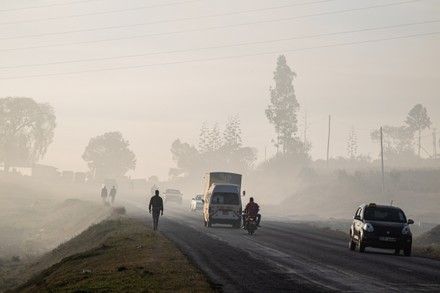
Air pollution in Kenya is often seen as only a lung issue, but new research shows it can also harm the gut and kidneys. From disrupting digestion to increasing kidney disease risk, poor air quality is a hidden health threat every Kenyan should know about.
The Hidden Link Between Air Pollution, Gut & Kidney Health: Why Clean Air Matters in Kenya
In Kenya, urban growth, increased traffic, industrial emissions, and open burning are contributing to declining air quality. Most people think of air pollution in terms of respiratory issues, asthma, coughing and lung disease. But what many don’t realize is that the air we breathe also has profound effects far beyond the lungs: including on our digestive system and our kidneys.
Recent medical research suggests that long-term exposure to fine particulate matter (PM2.5), nitrogen dioxide (NO₂), and other airborne pollutants contributes to systemic inflammation. That inflammation can irritate the lining of the gut, upset the microbiome, and even damage kidney tissues. For Kenyans, especially those in Nairobi’s busy ring roads, older industrial suburbs, or towns with heavy traffic congestion, this is an emerging health risk.
How Air Pollution Affects the Gut
- Microbiome Disruption The gut microbiome trillions of beneficial bacteria that help with digestion, immune function, and even influence mood is sensitive to external stressors. Pollutants inhaled into the lungs can enter circulation and reach the gut, modifying the environment and reducing beneficial bacterial populations. This imbalance (dysbiosis) can lead to increased permeability (“leaky gut”), which allows toxins to pass into the bloodstream.
- Inflammation and GI Disorders Elevated systemic inflammation due to pollution exposure has been linked in global studies to higher rates of inflammatory bowel disease (IBD), acid reflux, gastritis, and peptic ulcers. For patients who already have underlying digestive issues, polluted air can exacerbate symptoms: more pain, bloating, or flare-ups.
How It Impacts Kidney Health
- Oxidative Stress Pollutants can cause oxidative stress (free radicals) in the bloodstream, which over time damages delicate kidney tissues (glomeruli). Reduced kidney function can begin silently with little “noisy” symptoms until damage accumulates.
- High Blood Pressure Trigger Air pollution is linked to increases in blood pressure. Chronic hypertension is a top cause of chronic kidney disease in Kenya. So polluted air amplifies an already large health risk.
- Worsening Existing Conditions For individuals already on dialysis, or with reduced kidney function, polluted air may increase cardiovascular strain, reduce oxygenation, or increase rates of acute inflammation potentially worsening prognosis and quality of life.
The Kenyan Context: What We Know & Need to Study
- Nairobi has been measured in many studies to have PM2.5 levels above WHO recommended limits. Open burning, dusty roads, and traffic emissions are big contributors.
- Along the coastal corridor (Mombasa, Malindi), humidity and salt air combine with industrial emissions exacerbating pollution exposure.
- There is less Kenya-specific research tying air pollution directly to CKD or GI conditions, but global meta-analyses plus some early regional hospital data (local GI clinics) suggest increasing cases of acid reflux, gastritis, and unexplained GI pain in urban residents.
What Kenya needs now: local longitudinal studies, improved air quality monitoring in more counties, and awareness campaigns that extend beyond the lungs.
What You Can Do to Protect Yourself
Even while policy catches up, individuals can take steps to reduce risk:
- Use masks (N95/KN95) when commuting in traffic or when air quality alerts are high.
- Keep air cleaner indoors: use air filters, avoid burning charcoal or waste indoors, ensure good ventilation.
- Eat an anti-inflammatory diet: more fruits, vegetables, whole grains, spices like turmeric, omega-3 rich foods (fish, flaxseed). These help counter oxidative stress.
- Stay well hydrated helps the kidneys flush toxins.
- Monitor blood pressure and get kidney function tests if you are exposed to high pollution or have baseline risk (diabetes, hypertension).
Policy & Community Actions
- Advocating for cleaner public transit, stricter emissions rules for factories, and enforcement of air pollution regulations.
- Expanding green spaces in cities trees filter air and reduce urban heat.
- Local clinics integrating environmental risk questioning: doctors ask patients about exposure (traffic, burning), living near busy roads, etc.
Conclusion
Air pollution is more than a respiratory concern, it silently threatens gut integrity and kidney health. For Kenya, improving air quality is a public health priority that will have wide-ranging benefits. While large scale change depends on policy and infrastructure, each person can also act today to protect their gut and kidneys. Clean air matters for your breath, but also for your digestion and your renal health.
Clinical Departments
Related procedures at Clarivida
Gastroenterology
Gastroscopy (OGD) & Upper Endoscopy
Direct examination of the oesophagus, stomach and duodenum
Gastroenterology
Colonoscopy
Examination of the entire large bowel for diagnosis, screening and polyp removal
Nephrology
Comprehensive Dialysis Center
Life-Sustaining Kidney Care
Bariatric Care
Non-Surgical Gastric Balloon
Minimally Invasive Weight Loss Solution