
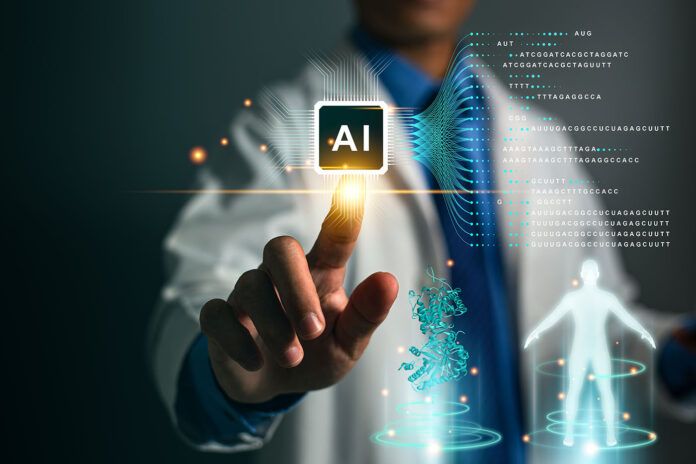
Your digestive health matters and AI is changing the game! Learn how artificial intelligence in endoscopy helps detect issues early, prevent complications, and protect your kidneys. Don’t wait for symptoms, see how technology is making healthcare smarter and safer
The Role of AI in Gastrointestinal Endoscopy: Transforming Diagnosis and Patient Care
In recent years, the field of gastrointestinal (GI) endoscopy has witnessed remarkable technological advancements. Among the most transformative developments is the integration of artificial intelligence (AI) into endoscopic procedures. AI is rapidly reshaping the way gastroenterologists detect, diagnose, and treat digestive disorders, improving accuracy, efficiency, and patient outcomes. This innovation is not just a futuristic concept, it’s already influencing daily clinical practice and generating substantial interest among patients and healthcare professionals alike.
Understanding AI in Endoscopy
AI in endoscopy refers to the use of advanced algorithms, particularly deep learning models, to assist in the analysis of endoscopic images and videos. During an endoscopic procedure, these algorithms can automatically detect abnormalities such as polyps, tumors, inflammation, and other mucosal lesions. By highlighting potential areas of concern in real time, AI supports endoscopists in making faster and more accurate decisions.
One prominent application of AI is in colorectal cancer screening. Polyps and other precancerous lesions can be subtle and easily missed during conventional endoscopy, especially in early stages. AI-assisted detection systems are trained on thousands of endoscopic images, allowing them to recognize minute differences in tissue patterns. Studies have shown that AI can significantly increase the detection rate of polyps, helping to prevent colorectal cancer before it develops.
Why AI Matters for Patient Outcomes
Early and accurate diagnosis is critical for digestive health and related systems, such as the kidneys, which can be indirectly affected by prolonged gastrointestinal issues. Undetected GI conditions, such as bleeding ulcers or inflammatory bowel disease, can lead to chronic complications that impact kidney function, electrolyte balance, and overall wellness. AI-powered endoscopy ensures that potential problems are flagged earlier, enabling timely interventions that protect both digestive and systemic health.
Moreover, AI helps reduce human error, which can occur due to fatigue, inexperience, or simply the sheer volume of patients a gastroenterologist may see in a day. By providing a second layer of analysis, AI serves as a safety net, ensuring that critical abnormalities are less likely to be overlooked.
Enhancing Efficiency and Training
Beyond improving detection rates, AI also enhances the efficiency of endoscopic procedures. By automatically identifying regions of interest, AI reduces the time required for thorough examinations without compromising accuracy. This allows clinicians to focus on therapeutic interventions rather than prolonged visual inspections.
AI also serves as a valuable educational tool for training new gastroenterologists. Trainees can review AI-highlighted findings, compare them with their own observations, and learn to recognize subtle patterns they might otherwise miss. This accelerates the learning curve and standardizes diagnostic accuracy across practitioners, benefiting patients across the board.
Challenges and Considerations
Despite its promise, the adoption of AI in GI endoscopy comes with challenges. Integrating AI systems into clinical workflows requires careful planning, training, and sometimes substantial investment in equipment. Physicians must understand how to interpret AI outputs and recognize that these tools are supportive, not replacements for professional judgment.
Privacy and data security are also critical considerations. AI models rely on large datasets of patient images, necessitating strict safeguards to protect sensitive health information. Additionally, regulatory approval processes vary by country and can influence the speed at which AI technologies reach clinical use.
The Future of AI in Endoscopy
The future of AI in GI endoscopy is exceptionally promising. Research continues to expand beyond polyp detection into areas such as early cancer classification, detection of esophageal disorders, and multi-contrast imaging for detailed mucosal analysis. As AI becomes more sophisticated, its role will likely grow from diagnostic support to predictive analytics, helping identify patients at high risk for gastrointestinal and kidney complications even before symptoms appear.
Conclusion
AI in gastrointestinal endoscopy is not merely a technological novelty, it’s a revolution in patient care. By enhancing diagnostic accuracy, improving procedural efficiency, and supporting clinical training, AI is helping gastroenterologists detect diseases earlier and more reliably than ever before. For patients, this means safer procedures, earlier interventions, and better overall digestive and systemic health. As research and innovation continue, AI’s integration into endoscopic practice promises to transform the landscape of preventive medicine and elevate standards of care for digestive and kidney health worldwide.
Clinical Departments
Related procedures at Clarivida
Gastroenterology
Gastroscopy (OGD) & Upper Endoscopy
Direct examination of the oesophagus, stomach and duodenum
Gastroenterology
Colonoscopy
Examination of the entire large bowel for diagnosis, screening and polyp removal
Nephrology
Comprehensive Dialysis Center
Life-Sustaining Kidney Care
Bariatric Care
Non-Surgical Gastric Balloon
Minimally Invasive Weight Loss Solution