
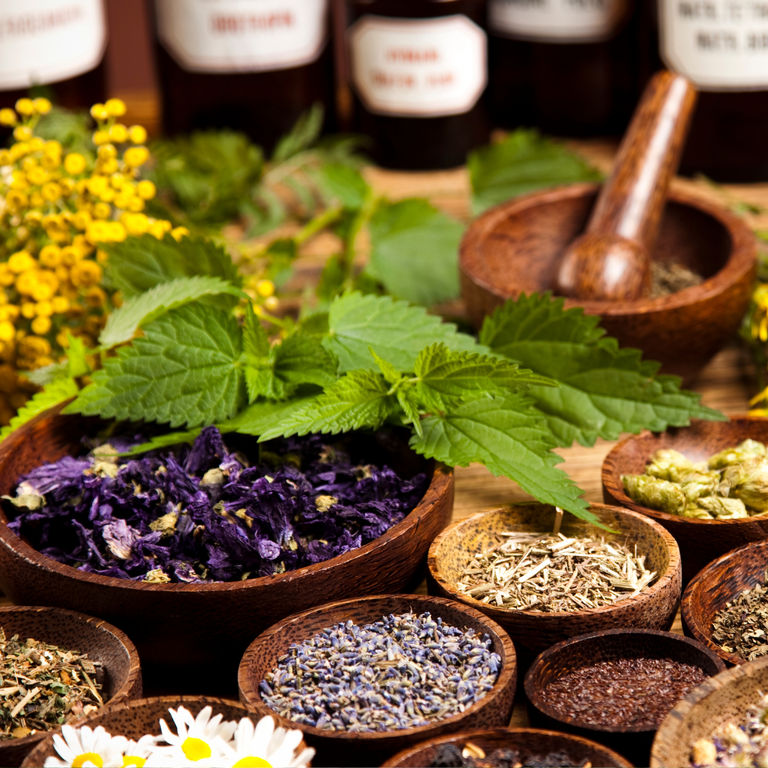
Kenya’s traditional herbs like moringa, aloe vera, and managu have long been trusted to “cleanse” the body, but how safe and effective are they? This blog explores the science behind common Kenyan remedies, revealing which herbs truly support kidney and digestive health, and which could do harm.
The Role of Traditional Kenyan Herbs and Remedies in Supporting Kidney Function. What Science Says
In Kenya, traditional medicine has long been intertwined with daily life. Before modern hospitals and dialysis centers, people relied on herbs and plants from the environment to stay healthy. Even today, many Kenyans turn to herbal remedies to manage digestion, blood pressure, or kidney-related symptoms often passed down through generations.
But with the rise in kidney disease and digestive problems, it’s becoming more important than ever to understand which traditional remedies are truly beneficial and which might cause harm. So, what does modern science say about the herbs found in Kenya’s kitchens, farms, and herbal markets?
1. Moringa — The “Miracle Tree” with Measured Benefits
Known locally as muratina wa muoyo (the tree of life), moringa oleifera is one of Kenya’s most celebrated medicinal plants. Rich in vitamin C, calcium, and antioxidants, moringa leaves are believed to “cleanse” the blood and strengthen immunity.
Scientific studies back some of these claims: moringa helps reduce oxidative stress, one of the main factors behind kidney cell damage. A 2023 study in the Journal of Medicinal Food found moringa leaf extract protects kidney tissue from toxins caused by high blood sugar and chemical exposure.
However, experts warn that taking moringa powder in high doses can affect blood pressure and liver enzymes. For patients with kidney disease, moderation is key, one teaspoon a day in food or smoothies is enough.
2. Aloe Vera — Helpful for Digestion, Risky for Kidneys
Aloe vera is another popular household remedy across Kenya. People drink aloe juice for “detoxing,” but few realize that raw aloe, especially the yellow latex just under the skin, contains anthraquinones compounds that can irritate the intestines and kidneys.
According to the U.S. National Kidney Foundation, regular use of unprocessed aloe can cause acute kidney injury. The safe form to use is purified aloe gel or aloe-based drinks certified for consumption. It’s helpful in small doses to soothe digestion but not as a long-term “detox.”
3. Managu, Terere & Sukuma Wiki — Food as Medicine
Kenyan vegetables like managu (African nightshade) and terere (amaranth leaves) are unsung heroes of kidney-friendly nutrition. They are high in magnesium, potassium, and antioxidants, all of which support natural detoxification.
Unlike some herbs, these greens can safely be eaten daily. Nutritionists recommend boiling them lightly and combining with ugali or rice for balanced meals that support both kidney and digestive wellness.
4. Neem — A Potent but Double-Edged Tree
Known as muarubaini (the tree of 40 cures), neem has antibacterial and antifungal properties. Its leaves and bark can help manage infections and inflammation. However, neem extracts and oils are powerful and potentially harmful if consumed in concentrated form.
In fact, studies show neem oil can cause nephrotoxicity (toxic effects on kidneys) when taken in excess. So while neem teas can help with immunity, people with kidney problems should use them rarely and always under medical advice.
When Tradition Meets Medicine
Doctors in Kenya report that many patients mix herbal remedies with prescribed medicine sometimes without realizing it can cause dangerous interactions. Herbs that lower blood pressure or sugar can amplify drug effects, causing dizziness or kidney overload.
Health experts recommend patients always consult a doctor or nutritionist before adding herbs to a treatment plan, especially when on dialysis or hypertension medication.
The Truth About Detoxing
The biggest myth in wellness is that we need herbs to “detox” our bodies. The truth? Your kidneys and liver already detox naturally. The best way to help them is to stay hydrated, eat fruits and vegetables, and avoid processed foods.
A University of Nairobi study found that lifestyle habits, not herbal cleanses, have the strongest effect on kidney function. Clean water, balanced meals, and regular checkups are the real “detox.”
Final Thoughts
Traditional herbs are part of Kenya’s healing heritage and they do have real benefits when used correctly. But modern research reminds us to approach them with respect and caution. Use herbs as supplements, not substitutes for medical care. Buy from trusted sources to avoid contamination. Always tell your doctor what you’re using.
In the end, the best medicine blends tradition with science and that balance can keep Kenya’s kidneys strong for generations.
Clinical Departments
Related procedures at Clarivida
Gastroenterology
Gastroscopy (OGD) & Upper Endoscopy
Direct examination of the oesophagus, stomach and duodenum
Gastroenterology
Colonoscopy
Examination of the entire large bowel for diagnosis, screening and polyp removal
Nephrology
Comprehensive Dialysis Center
Life-Sustaining Kidney Care
Bariatric Care
Non-Surgical Gastric Balloon
Minimally Invasive Weight Loss Solution