
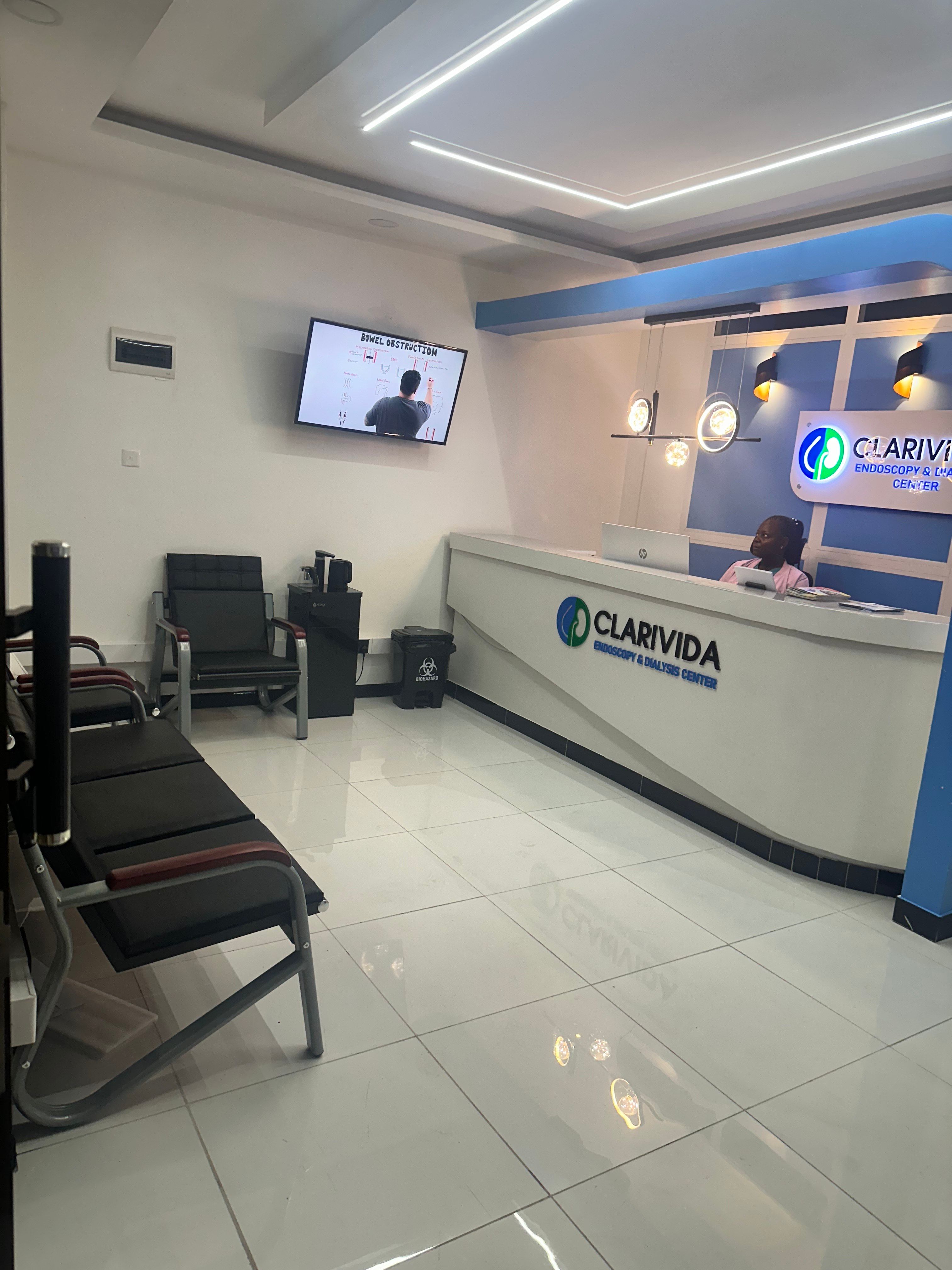
For years, rural Kenyans had to travel hundreds of Kilometers for life-saving endoscopy and dialysis services. Today, county hospitals are bridging the gap. This blog explores how rural access is transforming kidney and digestive health, reducing costs, and giving patients dignity and hope.
Why Rural Access to Endoscopy and Dialysis Services is a Game Changer in Kenya
For decades, Kenyans living outside major cities faced a painful truth: if you needed specialized care like endoscopy for digestive health problems or dialysis for kidney failure, you had to travel long distances to Nairobi, Kisumu, Eldoret, or Mombasa. For families in rural areas, the cost of transport, accommodation, and lost work made this nearly impossible.
But the story is changing. With the rise of county-level investment in healthcare, more hospitals in rural Kenya are being equipped with modern dialysis units and endoscopy machines. This shift is not just about convenience, it is a lifeline that reduces late diagnoses, improves survival rates, and restores dignity for patients who once had no options close to home.
The Reality for Rural Patients
Nearly 70% of Kenya’s population lives in rural areas, where specialized healthcare remains scarce. Until recently, a patient in Turkana or Embu who needed dialysis might travel hundreds of kilometers to Nairobi, sometimes missing appointments because of cost or fatigue.
- Travel costs: One round trip for treatment could equal a family’s monthly income.
- Time lost: Patients often spent entire days traveling, meaning some skipped crucial dialysis sessions.
- Late diagnosis: Many rural patients reached urban hospitals only when diseases were advanced.
The result was predictable higher death rates, higher family burdens, and a widening healthcare gap between rural and urban Kenya.
Endoscopy in Rural Kenya: Early Diagnosis Saves Lives
Digestive issues are among the most common complaints in Kenya, from ulcers and chronic acid reflux to gastrointestinal cancers. Yet, for years, patients in rural counties had no access to diagnostic tools like endoscopy.
Now, county hospitals in regions like Meru, Nakuru, and Kakamega are beginning to offer these services. This shift is crucial because:
- Endoscopy detects ulcers early, preventing long-term complications.
- Cancers of the stomach or colon can be caught before they spread.
- Emergency GI bleeding can be quickly diagnosed and treated.
For many families, having endoscopy available in their county hospital eliminates the stigma of “only Nairobi can help me.” It creates confidence in local healthcare systems.
Dialysis Expansion: A Lifeline Closer to Home
Dialysis is not a one-time treatment, it’s a three times per week commitment for patients with kidney failure. Imagine a farmer in Kitui or a teacher in Busia having to travel to Nairobi that often. For years, many patients simply gave up.
But with dialysis units now installed in more county hospitals, including Kisii, Machakos, and Turkana, the burden is easing:
- Higher adherence: Patients no longer miss sessions due to travel challenges.
- Financial relief: Families save money otherwise spent on transport and accommodation.
- Improved outcomes: Regular dialysis means patients are healthier and can even qualify for kidney transplants.
A patient in Kisii recently shared that accessing dialysis locally “gave me my life back. I can farm, be with my family, and still manage my treatment.”
Challenges Still Ahead
While expansion is promising, there are obstacles to overcome:
- Staff shortages: Many rural counties lack trained gastroenterologists and nephrologists.
- Machine breakdowns: Without proper maintenance, dialysis and endoscopy equipment can sit idle.
- Public awareness: Some rural residents don’t know these services are now available locally.
- Cost of consumables: While dialysis machines are present, the cost of supplies and drugs can still strain patients.
Solving these challenges requires investment not only in machines but also in training, awareness campaigns, and sustainable funding.
What Rural Access Means for Kenya’s Future
When patients can get tested or treated close to home:
- Families are less financially strained.
- Mortality rates decrease as diseases are caught earlier.
- Healthcare equity improves, narrowing the rural-urban gap.
- Referral hospitals are decongested, allowing specialists to focus on complex cases.
This is how Kenya can move toward universal healthcare coverage, not by concentrating services in cities, but by spreading them equitably across counties.
Conclusion
Access to dialysis and endoscopy should never depend on where you live. For too long, rural Kenyans faced impossible barriers to care. But with new investments in county hospitals, patients are gaining hope, dignity, and longer lives.
Clinical Departments
Related procedures at Clarivida
Gastroenterology
Gastroscopy (OGD) & Upper Endoscopy
Direct examination of the oesophagus, stomach and duodenum
Gastroenterology
Colonoscopy
Examination of the entire large bowel for diagnosis, screening and polyp removal
Nephrology
Comprehensive Dialysis Center
Life-Sustaining Kidney Care
Bariatric Care
Non-Surgical Gastric Balloon
Minimally Invasive Weight Loss Solution